










How to find products to dropship in 10 minutes? The answer is simple: you don’t “search,” you let the data “push” them to you. The most efficient method is to use automated tools to monitor the trending product lists on multiple platforms. After setting up the filtering criteria, you only need to spend 10 minutes each day checking the potential best-selling products pushed by the system. But the key is knowing which signals to monitor and how to set the filtering conditions. If you want to master this “lazy person’s system” that automatically brings trending products to your attention, keep reading—I will share a proven, minimalist workflow on how to find items to dropship.
I、 Final Results Showcase
Before I share the specific methods, let me show you what you’ll get after consistently using this method for 30 days:
- A database of 50-100 data-validated potential best-selling products
- Master the latest market trends with just 10 minutes of daily routine checks
- No more spending hours aimlessly browsing product pages
- Establish a repeatable product selection “intuition system”
Why is this topic so important? Because I used to be the person who spent 6 hours straight browsing 1688 and Amazon without finding anything. Until I discovered that the core of “how to find items to dropship” isn’t about diligent browsing, but intelligent filtering. The real “lazy winner” isn’t someone who does nothing, but someone who builds a system that automatically produces the right results.
II、What is Dropshipping?
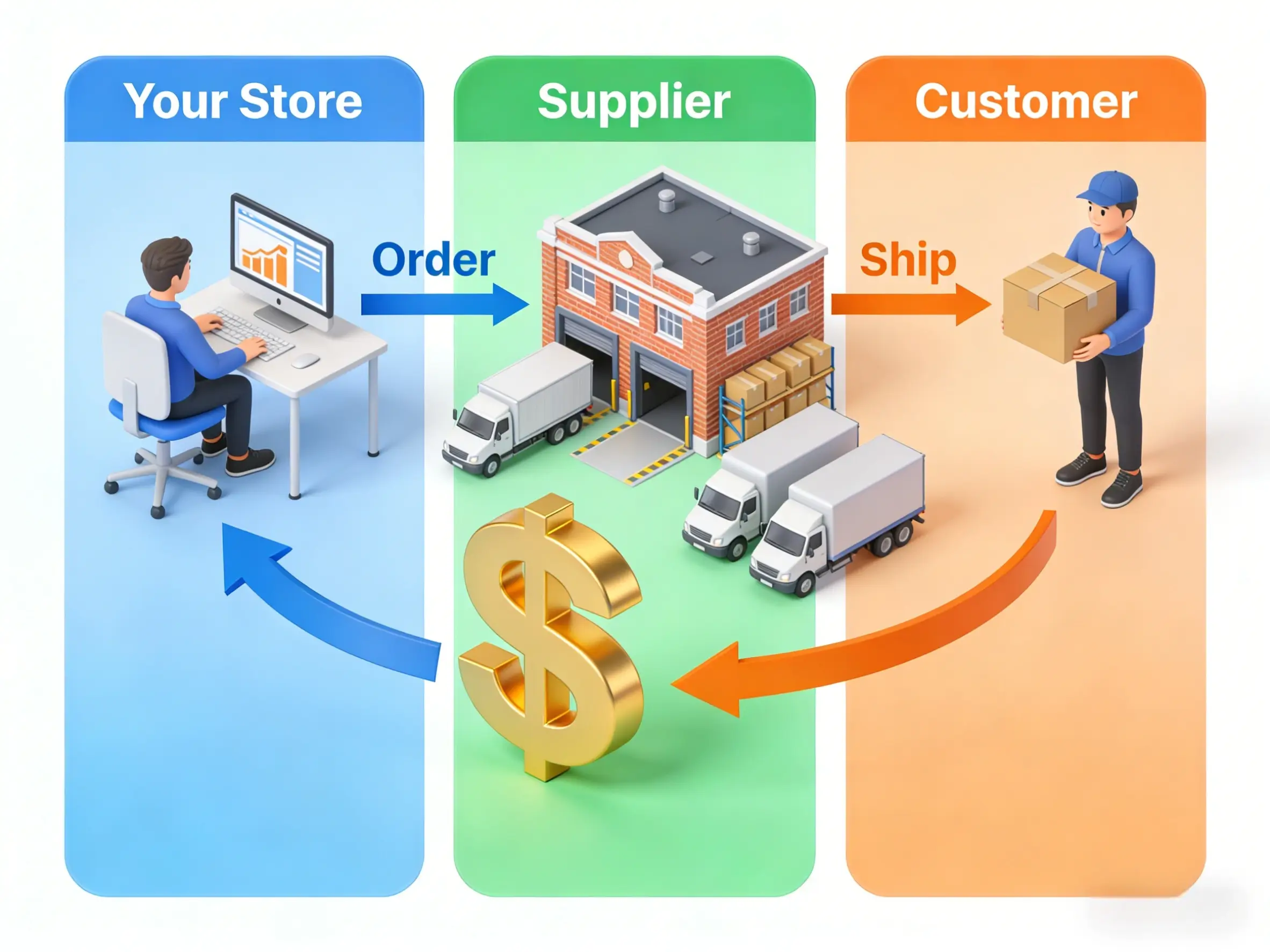
Dropshipping is an e-commerce model where you, as the seller, sell products through an online store, but when a customer places an order, you forward the order to a third-party supplier who ships the product directly to the customer. You don’t need to stock inventory, manage warehousing, or handle logistics; you only need to focus on marketing and customer service, earning the difference between the wholesale and retail prices.
This model is particularly suitable for startups for three reasons:
- Extremely low startup costs: No need for large upfront inventory purchases; you can start with just a few hundred dollars.
- Minimized risk: No risk of unsold inventory; you can test various products.
- Geographic freedom: You can manage a global business as long as you have an internet connection.
Market data shows that the global dropshipping market is projected to reach $591.8 billion by 2027, with a compound annual growth rate exceeding 23%. Successful examples include early Shopify sellers who used this model and achieved monthly earnings of tens of thousands of dollars within six months through precise product selection. The key is that they mastered how to find good items to dropship – not random choices, but data-driven decisions.
III、10-Minute Daily Product Selection System
Step 1: Set up your “Radar Station” (2 minutes/day)
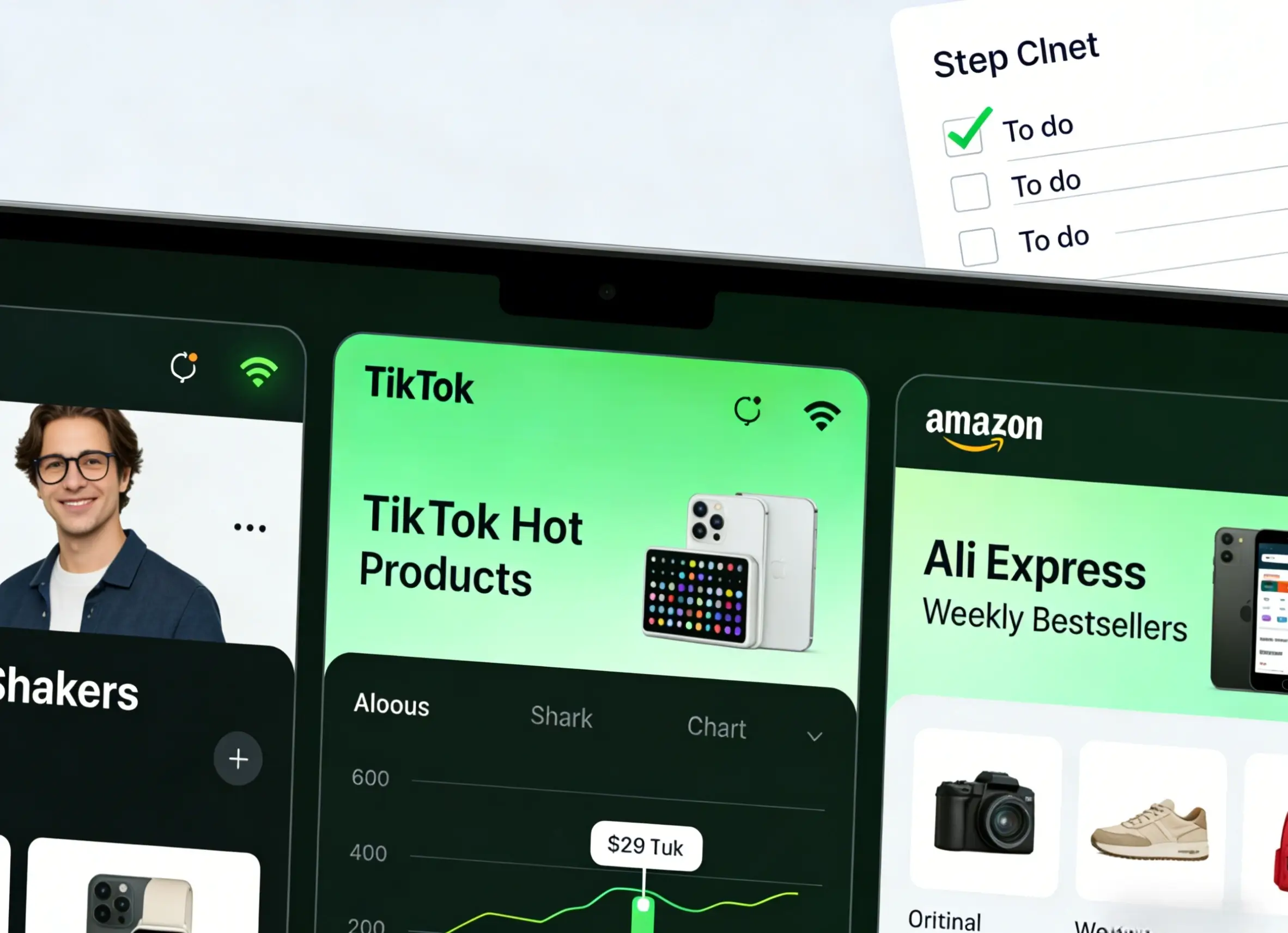
The first thing you do every morning is open three specific pages:
- Amazon “Movers & Shakers” page (shows products with surging sales in the last 24 hours)
- TikTok trending products list (viewed through a third-party data platform)
- AliExpress weekly best-selling products list
Don’t browse, just open and keep the tabs open. This is your basic data source. The key to finding items to dropship on Amazon is tracking products that suddenly start “moving,” not necessarily the products with the highest overall sales.
Step 2: Launch the automated monitoring tool (1 minute)
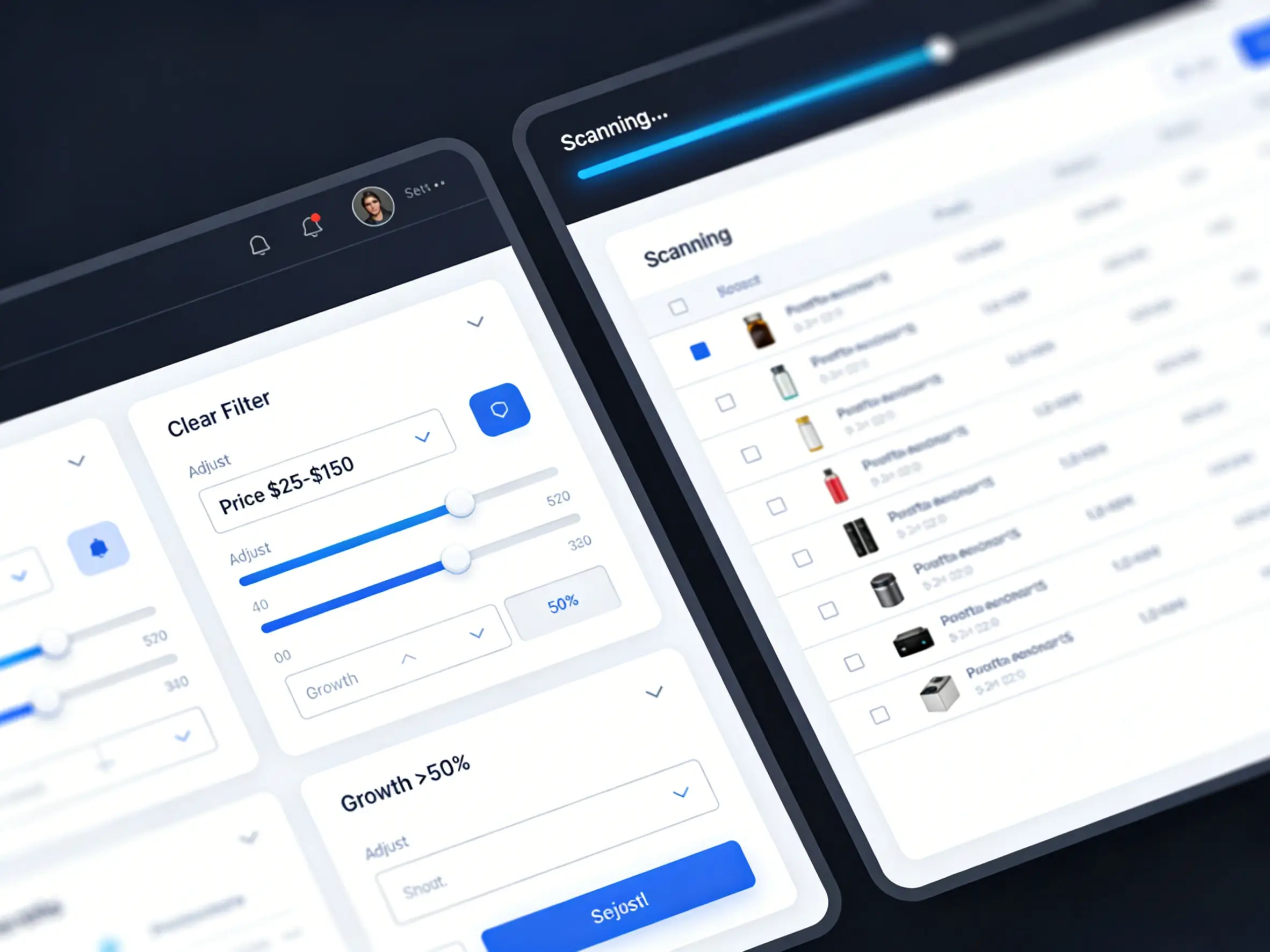
Use the monitoring function of tools like Jungle Scout or Oulu, and set the following filter criteria:
- Price range: $25-$150 (sufficient profit margin)
- Monthly sales growth rate: >50%
- Number of reviews: <100 (relatively low competition)
- Weight: <2kg (reduces logistics costs)
Let the tool run in the background; it will automatically scan for products that meet these criteria.
Step 3: Scan Reddit Niche Communities (3 minutes)
Open the 3-5 Reddit communities you subscribed to in advance, such as:
- r/Entrepreneur
- r/dropship
- Specific communities related to your niche
The secret to finding items to dropship on Reddit isn’t looking at what everyone is selling, but rather what everyone is complaining about. Look for posts like “Why can’t I find a good XX product?” or “I need a product that solves XX problem.” Consumer pain points are your opportunities.

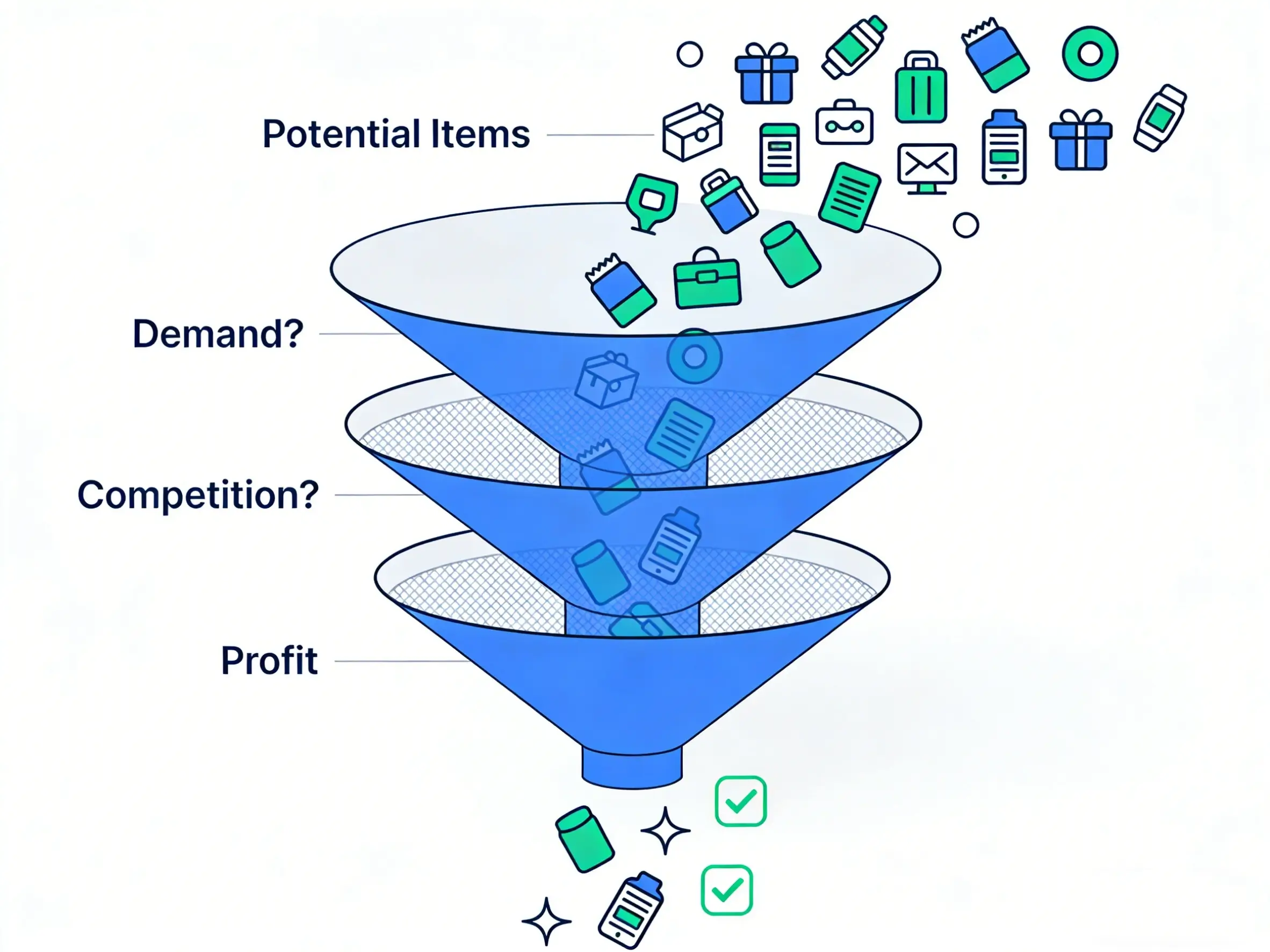
Step 4: Apply the “Three-Layer Filtering Method” (4 minutes)
Now, quickly filter the potential products you’ve collected:
First Layer: Demand Validation
- Check if search volume is increasing on Google Trends
- Check the number of posts with relevant hashtags on social media
Second Layer: Competitive Analysis
- Use tools to check the number of sellers of similar products on Amazon
- Check independent website advertising (using Facebook Ad Library)
Third Layer: Profit Potential
- Calculate the approximate gross profit margin (target > 40%)
- Assess logistics feasibility and costs
The key to “how to find trending items to dropship” is distinguishing between “short-lived fads” and “sustainable trends.” If a product shows growth signals on multiple platforms simultaneously, and not just a fleeting trend on a single platform, it’s worth further investigation.
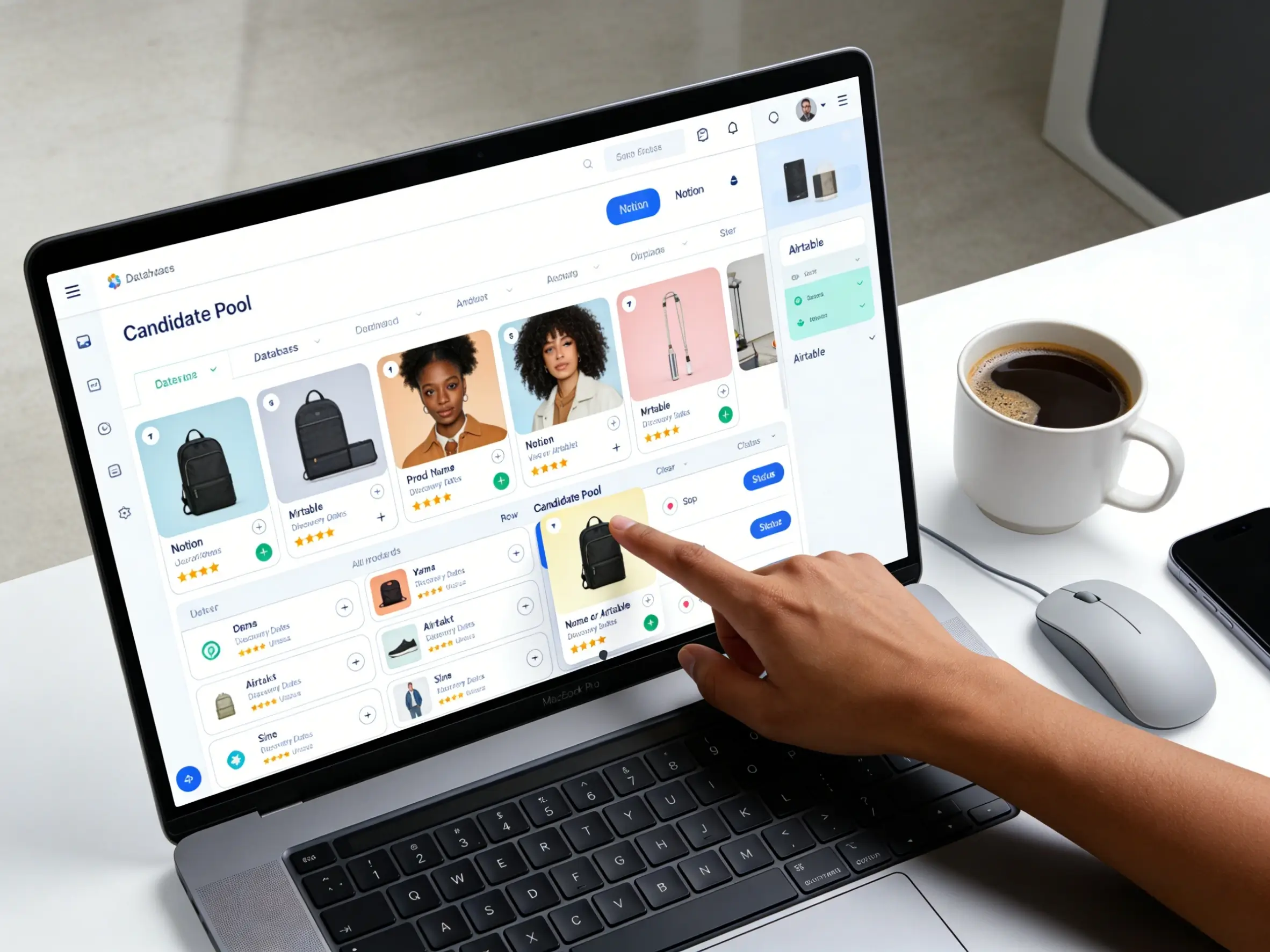
Step 5: Build your “Candidate Pool” (Systematic Accumulation)
Add the filtered products to a simple Excel spreadsheet or Notion database, including the following fields:
- Product Name
- Discovery Date
- Data Source
- Initial Rating (1-5 points)
- Next Review Date
Finding the best items to dropship isn’t about finding the “perfect product,” but rather building a continuously optimized product library. Review this library weekly, removing products that no longer show potential and conducting in-depth research on high-scoring products.
Advanced Techniques: Finding High-Value Products
Once you’ve mastered the basic process, you can dedicate extra time to finding high-profit products. The strategies for “how to find high ticket items to dropship” differ:
- Focus on products that solve “pain points” rather than just “itchy points.”
- Look for products with repeat purchase potential.
- Research tools and equipment in specialized fields (such as photography accessories, professional kitchen tools, etc.).
- The price range can be increased to $200-$500.
The key to high-value products lies in a clear value proposition, not just a high price.
Conclusion
Mastering how to find items to dropship isn’t about spending more time, but about building a smarter system. Ten minutes of efficient filtering each day is far more effective than hours of aimless browsing. The core value of this “lazy winner” system lies in its sustainability – you won’t be exhausted by product selection, but instead will maintain a keen awareness of the market.
Remember, a successful dropshipping business isn’t built on finding a “miracle product,” but on a system that consistently finds good products. Start implementing this 10-minute daily routine, and in 30 days you’ll have a product library full of potential and a repeatable product selection skill set. The question now is: are you ready to transform from an “endless browser” to a “systematic winner”? Start with the first step tomorrow morning and see what you can discover in your first 10 minutes.
FAQs
The best way to find products to dropship is to build an automated screening system. One of the most effective methods is to utilize data from large e-commerce platforms like Amazon. For example, the key to learning how to find items to dropship on Amazon is not to browse aimlessly, but to monitor its “Movers & Shakers” list, specifically tracking products whose sales have suddenly surged within 24 hours. This helps you discover market-validated demand, rather than making blind guesses.
Yes, earning $2,000 per month through dropshipping is a completely achievable goal, but it depends on your product selection and marketing strategy. The key to achieving it lies in mastering how to find good items to dropship. Good products typically have high demand, low competition, and a considerable profit margin. Instead of chasing low-priced trending products, focus on products that solve specific pain points and establish a stable product sourcing process to continuously discover such opportunities.
The product sources for dropshippers are very diverse. Mainstream channels include B2B platforms like Alibaba and AliExpress, as well as local wholesalers in various regions. A frequently overlooked but highly valuable approach is learning how to find items to dropship on Reddit. Discussions on subreddits like r/entrepreneur or specific niche communities often contain genuine complaints and needs from users, which can be a goldmine for discovering unique product ideas and finding untapped markets.
There are many channels for sourcing products, but the key is systematic selection. Besides conventional wholesale platforms, a smart strategy is to focus on how to find trending items to dropship. You can use tools like TikTok and Google Trends to identify emerging social trends, and then search supplier platforms for relevant solutions. This allows you to position yourself with promising new products before the trend becomes oversaturated with competition.
Achieving a monthly income of $10,000 is a more challenging goal, usually meaning you need to upgrade from the “product testing” phase to the “brand building” phase. This involves learning how to find the best items to dropship and then selecting products with long-term potential to focus on. You need to concentrate on building brand loyalty and optimizing customer lifetime value, rather than simply relying on one-time sales. A systematic approach to product selection is the foundation of all of this.
It needs to be clarified that dropshipping as a business model is perfectly legal. Misunderstandings usually arise from confusing “dropshipping” with “fraudulent or unethical sales practices.” Legitimate dropshipping hinges on transparency and integrity: as the seller, you are responsible for product quality, shipping times, and customer service. Actions considered illegal are typically the sale of counterfeit or substandard goods, false advertising, or outright fraud by not shipping the goods at all, which is unrelated to the business model itself.
