









Choosing a shipping method for dropshipping is not just about finding the cheapest courier or the fastest delivery promise. The real goal is to match shipping speed, cost, tracking quality, and product type with what your customers actually expect.
A route that works well for a low-cost accessory may be a poor fit for a fragile product, a branded order, or a customer who expects quick delivery. Paying for express shipping on every parcel can also reduce profit margins without solving delays that occur before the package leaves the warehouse.
This guide explains how to choose the best shipping methods for dropshipping orders, compare different shipping options, and select the right route based on your products, customers, and business needs.
Why Shipping Method Selection Matters More Than Many Sellers Think
Many new sellers treat shipping as the final step of fulfillment, but customers often judge the entire buying experience through delivery.
If a product arrives late, tracking is confusing, or the shipping cost feels unreasonable, the customer usually does not care whether the problem started with a supplier, a warehouse, or a carrier. They only remember that the order took too long.
That is why choosing a route should be part of your store strategy, not a last-minute logistics choice.
The right route helps you:
- keep delivery promises realistic
- reduce refund and dispute pressure
- improve tracking visibility
- protect product margins
- match different shipping methods to different products
- support scaling without creating customer service problems
Good shipping decisions also work best when they are connected to inventory planning, supplier readiness, and order management. A fast route is less useful if the order spends days waiting before dispatch.
Start With the Customer Promise, Not the Carrier List
Before comparing shipping lines, define what the customer actually needs.
Ask these questions first:
- How quickly does the customer expect delivery?
- Is the product urgent, trend-driven, or gift-oriented?
- Is the item low-cost, mid-range, or premium?
- How important is full tracking?
- Is the product fragile, oversized, or restricted?
- Are customers willing to pay for faster shipping?
- Is the destination a major city or a remote area?
For example, a beauty tool or fashion item may require faster shipping because the purchase is more time-sensitive. A simple household product with a lower selling price may allow a wider delivery window.
The best choice is not always the fastest shipping method from China. It is the route that gives the most practical balance between delivery time, cost, stability, and customer expectations.
Dropshipping Shipping Lines: The Main Types You Should Know
Most dropshipping stores choose between three broad types of routes.
Express Shipping
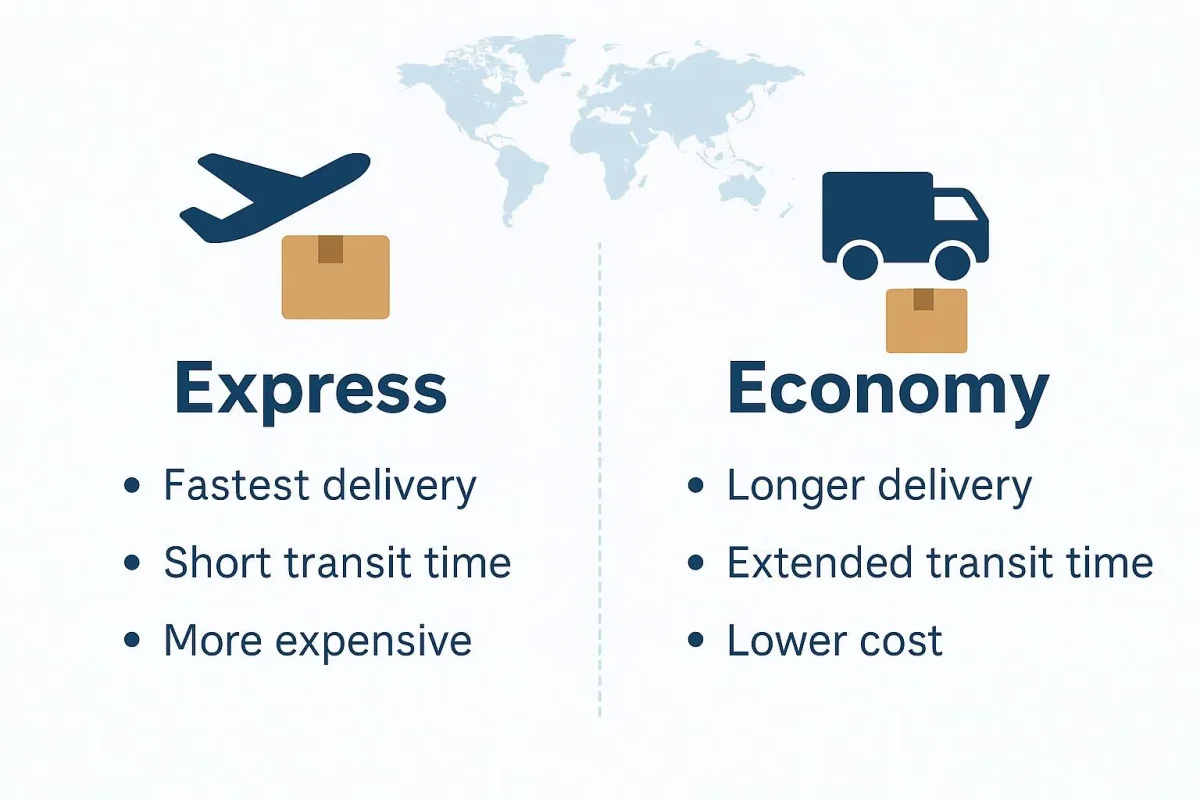
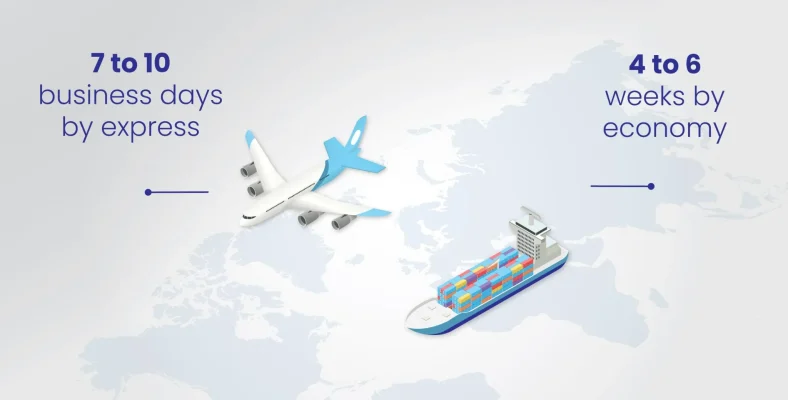
Express services are usually the fastest option. They are useful for urgent orders, high-value products, replacement shipments, or products with healthy profit margins.
Advantages:
- short transit time
- stronger tracking visibility
- better reliability for urgent delivery
Disadvantages:
- higher cost
- lower margin on low-ticket products
- may be unnecessary for non-urgent items
Express shipping is often suitable when speed directly affects conversion or customer satisfaction. But using it on every order can quickly reduce profitability.
Dedicated Ecommerce Shipping Lines
These are often the most practical dropshipping shipping lines for regular ecommerce orders. They are designed to balance speed and cost and usually include tracking suitable for online selling.
Advantages:
- more affordable than express
- usually faster than economy routes
- commonly used for everyday ecommerce parcels
Disadvantages:
- performance may vary by product type and destination
- some routes have restrictions for batteries, liquids, or special goods
For many dropshipping stores, this is the default middle-ground solution.
Economy Shipping
Economy routes focus mainly on lowering cost.
Advantages:
- lower shipping expense
- useful for lower-value products with wider delivery windows
Disadvantages:
- slower transit
- weaker or less frequent tracking updates
- more pressure from impatient customers
This can work for certain stores, but only if your product, pricing, and customer expectations allow it.
Economical vs Express Shipping: Which One Makes More Sense?
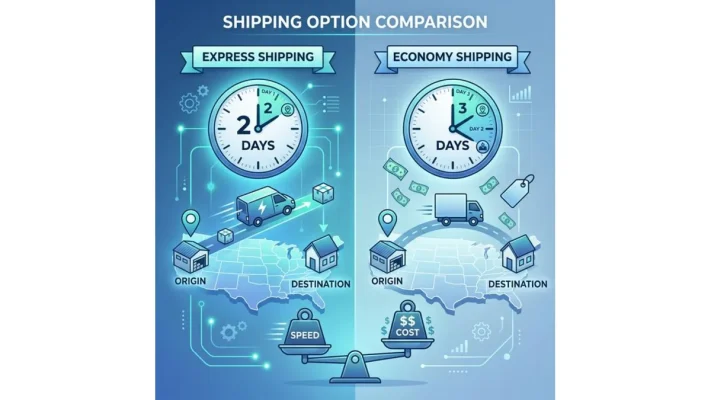
The question is not whether economical or express shipping is “better” in general. The real question is which one is better for a specific order.
If you are comparing economical vs express shipping, think in terms of business fit.
Express makes more sense when:
- the item is expensive
- the order is urgent
- customer expectations are high
- delivery reliability matters more than shipping cost
- the product has enough margin to absorb the extra fee
Economical shipping makes more sense when:the product is low-cost
- customers already expect a longer delivery window
- fast delivery is not the main selling point
- you want to keep checkout costs lower
- the store can manage customer expectations clearly
For many sellers, the smarter choice is not to use one method for everything. It is to create shipping rules based on product type, order value, and destination.
How to Choose Shipping Route Based on Product and Destination
When you need to choose shipping route, do not rely on a generic “best line” recommendation.
A route should be selected based on:
Product Type
Some routes are better for small parcels. Others work better for fragile items, branded packages, or products with shipping restrictions.
Destination Country or Region
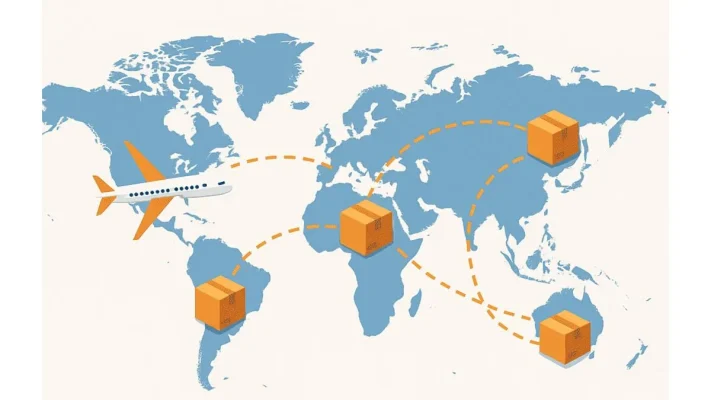
A route that performs well to one market may not perform equally well to another. Even within one country, delivery to major cities may be faster than to remote areas.
Product Value
High-value products often justify stronger tracking and better transport reliability. Lower-value products may need more cost control.
Profit Margin
If your margin is thin, a very fast route may hurt overall profitability. If your margin is healthy, faster delivery may support better customer experience and stronger repeat purchase potential.
Customer Expectation
The right shipping route should support the promise made on the product page. If the page suggests quick delivery, the route must realistically support that.
This is also where working with a sourcing agent can help. When suppliers, products, and logistics options vary, having someone coordinate sourcing, stock, and route matching can make shipping decisions more practical and less reactive.
The Cheapest Route Can Become the Most Expensive Choice
A low shipping cost can look attractive at first, but it may create hidden costs later.
These hidden costs can include:
- more customer complaints
- higher refund requests
- more “where is my order” messages
- lower repeat purchase rate
- more abandoned checkouts if expectations are unclear
- more pressure on support teams
So when comparing shipping methods, do not ask only:
“Which route costs less?”
Also ask:
- How often does tracking update?
- How stable is delivery time?
- How often do orders get delayed?
- What happens if the customer needs a replacement?
- Does the route support the brand experience I want to offer?
In many cases, improving international shipping is not about chasing the absolute fastest line. It is about choosing a route that customers can trust.

Common Mistakes When Choosing Shipping Methods for Dropshipping
A lot of shipping problems come from predictable mistakes.
Using One Route for Every Product
Not every SKU needs the same delivery solution. A small accessory and a heavier branded item should not always follow the same rule.
Looking Only at Transit Time
Transit time matters, but total delivery time matters more. Supplier delays and fulfillment delays can erase the benefit of a faster route.
Ignoring Tracking Quality
Customers want visibility. A route with weak tracking can create frustration even if the parcel is still moving normally.
Forgetting About Product Restrictions
Some routes are not suitable for batteries, liquids, or special materials. Choosing the wrong line can create delays or failed shipments.
Not Updating the Customer Promise
If the route changes, your shipping expectations should also change on product pages, shipping policy pages, and post-purchase communication.
A Simple Framework for Choosing the Best Shipping Method for Dropshipping Orders
If you want a repeatable decision process, use this framework:
- Identify the product type and risk level
- Review destination and expected delivery window
- Compare cost, speed, and tracking quality
- Check whether the route supports the product category
- Match the route to product margin
- Review recent shipping performance, not only quoted speed
- Set the customer-facing promise based on real performance
This helps you move from guessing to decision-making.
Instead of asking, “What is the one best shipping method?” ask, “What is the best shipping method for this order profile?”
That shift usually leads to better results.
Conclusion
The best shipping method for dropshipping orders is rarely one universal answer.
A good route depends on what you sell, where you ship, what customers expect, and how much shipping cost your business can realistically support. The smartest choice usually comes from balancing speed, reliability, tracking quality, and margin instead of chasing the cheapest or fastest option alone.
Once you compare routes by product type, destination, and customer promise, it becomes much easier to choose a shipping method that supports both better operations and a better buying experience.
