








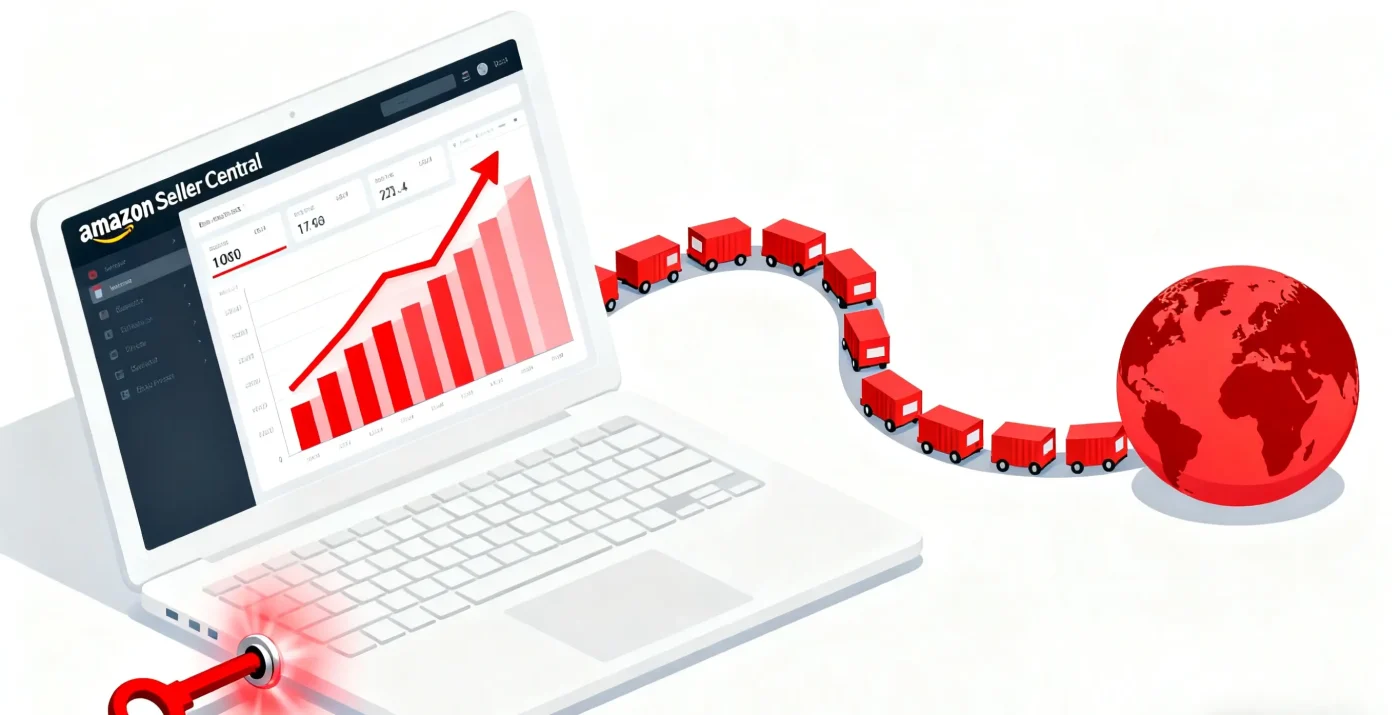
In today’s rapidly evolving e-commerce landscape, dropshipping has become a popular choice for many entrepreneurs. This business model allows you to sell products without inventory, significantly reducing startup risk and costs. With dropshipping, you can launch your business with relatively low capital, or even for free. This model is particularly suitable for beginners because it streamlines operations, allowing you to focus on marketing and customer service. In this article, I’ll provide detailed instructions on how to start dropshipping on Amazon, helping you successfully enter this field.
Final Results–What Will Your Amazon Dropshipping Business Look Like?
Before I get into the details, let me show you what you can achieve by following this guide. Imagine this: Within a few months, you’re running a stable Amazon store, selling a carefully curated selection of products. Every day, you wake up to a notification about a new order, and all you need to do is pass the order information on to your trusted supplier. You don’t have to pay for warehouse space, the physical labor of packing and shipping, or the financial pressure of carrying excess inventory. Your business runs in the cloud, giving you time and location freedom.
Writing this guide is crucial because I’ve witnessed many friends and readers fail in this field due to misunderstandings. Amazon has stringent policies regarding dropshipping, and many have had their accounts suspended due to improper practices. My goal is not just to teach you “how to do it,” but to teach you “how to do it right.” The key to success lies not in shortcuts, but in understanding the rules, paying attention to detail, and a commitment to continuous optimization. If you follow each step below, you’ll build not a fragile business that could be shut down at any moment, but a compliant, sustainable business with growth potential.

I. What is Dropshipping? Why is it Ideal for Entrepreneurs?
Dropshipping is a retail fulfillment method in which a store doesn’t hold inventory of its products. Instead, when a store sells products using the dropshipping model, it purchases the goods from a third party (usually a wholesaler or manufacturer), who then ships directly to customers. Therefore, the merchant never has to handle the products directly.
This model holds significant appeal for entrepreneurs, especially beginners:
- Extremely low startup costs: The upfront investment is the biggest hurdle with traditional e-commerce. You need significant capital to purchase inventory, rent a warehouse, and manage logistics. Dropshipping, however, virtually eliminates all of these costs. You only pay the supplier for the product after a customer orders and pays. This makes starting dropshipping for free on Amazon somewhat feasible, as your primary investment is time and learning, not a significant capital investment.
- No inventory management required: You never need to worry about overstock, storage fees, or product expiration. This significantly simplifies your operations.
- Endless product flexibility: Without the constraints of pre-ordered inventory, you can easily test dozens or even hundreds of products, quickly remove underperforming ones, and scale up best-sellers. Your online store can become a dynamic product portfolio.
Market Trends and Data
According to Statista, the global retail e-commerce market continues to grow, and dropshipping is an integral part of this growth. Consumers are becoming increasingly accustomed to online shopping, creating endless opportunities for new market entrants. Many successful e-commerce giants initially started with the dropshipping model. It allows you to validate your business idea with minimal risk and is the perfect springboard to larger e-commerce ventures.

II. How to Start Dropshipping on Amazon: A 7-Step Guide
Now, let’s get to the meat of the action. Below are detailed steps for beginners on how to start dropshipping on Amazon. Follow them closely to ensure your business is both compliant and successful.
Step 1: Choose the Right Marketplace and Product
Before you even consider signing up for an account, the most critical task is determining what to sell and to whom. Reckless choices are the leading cause of failure.
- Research market trends and demand: Use tools like Google Trends to understand your product’s long-term popularity. Look for categories with stable or rising demand.
- Use professional tools for product research: For Amazon, tools like Jungle Scout and Helium 10 are essential. They can help you analyze metrics like monthly sales, competition, and revenue estimates. Look for “sweet spot products” with high demand but relatively low competition, lightweight, non-breakable, and free of brand disputes.
- Determine your target customer segment: Identify whose pain points your product aims to solve. Understanding your target audience’s age, gender, interests, and shopping habits will help you with subsequent marketing and listing optimization.

Step 2: Register for an Amazon Seller Account
This is your gateway. Amazon offers two main account types:
- Individual Seller Plan: Fees are charged per item, with no monthly subscription. Ideal for sellers planning to sell fewer than 40 products per month, this is a great way to experience the platform.
- Professional Seller Plan: For a flat monthly fee, you can upload unlimited products and unlock key features like Amazon Advertising (PPC) and advanced store reporting. This is the only option for sellers serious about building a business.
The registration process requires you to submit legal identification, tax documents, bank account, and credit card information. Please ensure all information is accurate to avoid review delays. This is equally important for sellers operating on different marketplaces globally; whether you’re looking for information on how to start dropshipping on Amazon UK or how to start dropshipping on Amazon in India, you must comply with local regulations and marketplace policies.

Step 3: Find a Reliable Supplier
This is the lifeblood of the dropshipping model. A poor supplier can literally ruin your business.
Supplier Selection Criteria:
- Reputation: Look for suppliers with a long history of positive reviews.
- Delivery Time: Prioritize suppliers that offer fast shipping (e.g., using USPS, UPS, or FedEx in the US) to avoid lengthy shipping times from overseas.
- Product Quality: Always order samples for your own inspection before selling to customers.
- Communication Skills: Does the supplier respond to your questions promptly?
Recommended Platforms:
- Upedge: A powerful platform that helps sellers automate the entire process from product discovery to order management.
- SaleHoo: A directory of vetted suppliers that reduces the risk of finding unreliable suppliers.
- Alibaba (1688.com): A great marketplace for finding Chinese manufacturers, but careful screening is required.
Building Relationships: Maintain active communication with your suppliers. Building strong relationships can help you in the event of product shortages or logistics issues.

Step 4: Create an Optimized Product Listing
Your product listing is your salesperson on Amazon. It needs to be clear, enticing, and well-optimized.
- Optimize your product title and description: Titles should include your core keywords, brand, material, size, and color. Descriptions should highlight product benefits, not just features, using easy-to-read paragraphs and bullet points.
- Use high-quality images: Invest in professional product photography. Provide multiple angles, close-ups of details, and pictures of used products. Videos can significantly increase conversion rates.
- Set competitive prices: Research your competitors’ pricing. Your price should cover product costs, Amazon commissions, shipping, and profit margin. Initially, pricing slightly below the market average can help you gain initial sales and reviews.

Step 5: Market and Promote Your Product
Listing your product on Amazon is just the beginning; you must actively attract traffic.
- Utilize Amazon Advertising (PPC): This is the most effective way to drive initial sales. Use sponsored product ads targeting relevant keywords to help your product appear at the top of search results.
- Social Media Marketing Strategy: Create content showcasing your products on platforms like Facebook, Instagram, Pinterest, or TikTok. Build a community, not just a hard sell.
- Build brand image and customer loyalty: Create a professional logo and craft a consistent brand story. Consider including a thank-you card in your packaging to encourage customers to leave a review. A positive brand image leads to repeat business.

Step 6: Order Processing and Customer Service
This is where you can show your professionalism. Please be sure to follow Amazon’s dropshipping policies.
- Order Processing: Customers place an order on your Amazon store -> You order the product from your supplier, using the customer’s shipping address as the delivery address -> The supplier ships directly to the customer.
- The Importance of Customer Service: You are the face of your business and must handle all customer inquiries, questions, and complaints. Prompt and professional responses are crucial.
- How to Handle Returns and Refunds: Establish a clear return policy. You must accept returns and provide a return address (or your supplier’s), not Amazon’s (for example, you cannot require customers to return items to an Amazon warehouse).

Step 7: Monitor and Optimize Your Business
How to Start Dropshipping on Amazon in 2025: Success beyond this depends on your ongoing optimization.
- Use Amazon Analytics: Amazon Seller Central provides a wealth of sales data. Monitor your business reports to understand sales, traffic, and conversion rates.
- Regularly evaluate product performance: Which products are selling well? Which aren’t? Make data-driven decisions, eliminate underperforming products, and double down on winners.
- Continuously optimize: Based on customer feedback and advertising data, continuously refine your product titles, images, descriptions, and keywords. E-commerce is a dynamic battlefield; stagnation means falling behind.

Conclusion
As this guide has detailed, launching a business on Amazon through the dropshipping model is not only entirely feasible but also an extremely attractive path for new entrepreneurs with limited resources. It successfully combines a massive market opportunity with a low-risk operating model. The key lies in thoroughly understanding and rigorously following the correct process for starting dropshipping on Amazon, especially ensuring full compliance with Amazon’s platform policies.
The path to success begins with a simple decision. You now have the complete knowledge base, from product research, account setup, supplier management, to marketing promotion. Don’t strive for perfection; strive for getting started. Choose a niche, find a product with potential, and meticulously follow the steps to build your first listing. The first few steps may be challenging, but each is a valuable learning experience. The world of e-commerce awaits you. Start your research today and take the first step towards financial freedom!
FAQs
To start a dropshipping business on Amazon, research a profitable niche and secure a reliable supplier. Next, register for an Amazon Professional Seller account. Then, create optimized product listings with high-quality images and compelling copy. Finally, drive traffic using Amazon PPC ads and provide excellent customer service. For a detailed roadmap, our guide on how to start dropshipping on Amazon for beginners is an excellent resource.
Yes, earning $1000 a month on Amazon is an achievable initial goal for many dropshippers. The key is focusing on high-margin products and mastering Amazon’s advertising tools (PPC) to drive targeted traffic. Consistent optimization of your listings and customer service is crucial. By following a structured plan on how to start dropshipping on Amazon in 2025, you can build a foundation to reach and exceed this income level.
Absolutely. Scaling to $2000 monthly involves expanding your product portfolio and optimizing your operations. This often means moving beyond a single product and implementing advanced strategies like email marketing and building a brand presence. Many sellers achieve this by meticulously following advanced guides on how to start dropshipping on amazon, focusing on scaling techniques after establishing a stable initial income.
There isn’t one “most sold” item, as trends change rapidly. However, consistently popular categories include home accessories, kitchen gadgets, fitness equipment, and pet supplies. The best-selling product for you will be one with high demand but moderate competition. Using tools like Jungle Scout is essential for anyone learning how to start dropshipping on Amazon for beginners to find their winning product.
While specific net worth is often private, individuals like Irwin Dominguez and Simon Grail are frequently cited as highly successful in dropshipping. Their success stems from building strong brands and mastering digital marketing, not just the dropshipping model itself. Their journeys inspire many to explore how to start dropshipping on Amazon in India and other markets.
In most cases, yes. Amazon requires you to operate a legal business. If you form an LLC or corporation, you need a business license. You may need a local business license or permit, even as a sole proprietor. It’s critical to check your local laws and Amazon’s policies. This is a key legal step when learning how to start dropshipping on Amazon UK or any other region.
Yes, many entrepreneurs have built significant wealth through dropshipping. However, “getting rich” typically results from scaling a business into a recognized brand, not just from fulfilling orders. It requires immense dedication, strategic marketing, and excellent customer service. This potential for high income is why many seek guides on how to start dropshipping for free on Amazon to begin their journey.
The riskiest products include electronics (high return rates), fragile items, counterfeit goods (which violate Amazon’s TOS), and heavily branded products without authorization. Also, avoid items with complex legal regulations (e.g., children’s toys, supplements). Sticking to simple, generic products is safer for anyone using a guide on how to start dropshipping on Amazon for beginners.
