







Wholesale Dropshipping Services for Online Stores

Upedge helps online sellers source products and fulfill customer orders through flexible wholesale dropshipping arrangements. Depending on your products and business needs, you can choose per-order sourcing or purchase inventory in advance for storage and fulfillment. Product pricing, minimum order quantities, and payment terms are confirmed through a quotation.

Advantages of Wholesale Dropshipping

Wholesale dropshipping gives sellers different ways to manage product sourcing, inventory, and fulfillment. Depending on the selected arrangement, advance inventory purchasing may provide opportunities to negotiate product pricing, while per-order sourcing can reduce the need to commit to bulk stock before receiving customer orders.

Wholesale Dropshipping vs Traditional Dropshipping

Explore the key differences between wholesale and traditional dropshipping models for e-commerce success and scalability.

Wholesale Dropshipping

vs

Traditional Dropshipping

  • Direct ties with manufacturers, ensuring better pricing.
  • Often requires minimum order quantities (MOQ) for bulk benefits.
  • Offers private label options, enhancing brand identity for your dropshipping store.
Wholesale vs Traditional Dropshipping: Supplier Relationship Illustration
  • Relies on third-party suppliers, leading to less control over quality.
  • No MOQ, making it accessible for new dropshippers.
  • Limited branding options for your dropshipping shop.
  • Lower costs from bulk purchases, increasing profit margins.
  • Stable pricing due to fixed wholesale models.
  • Negotiable prices based on volume, boosting profitability for the dropship business.
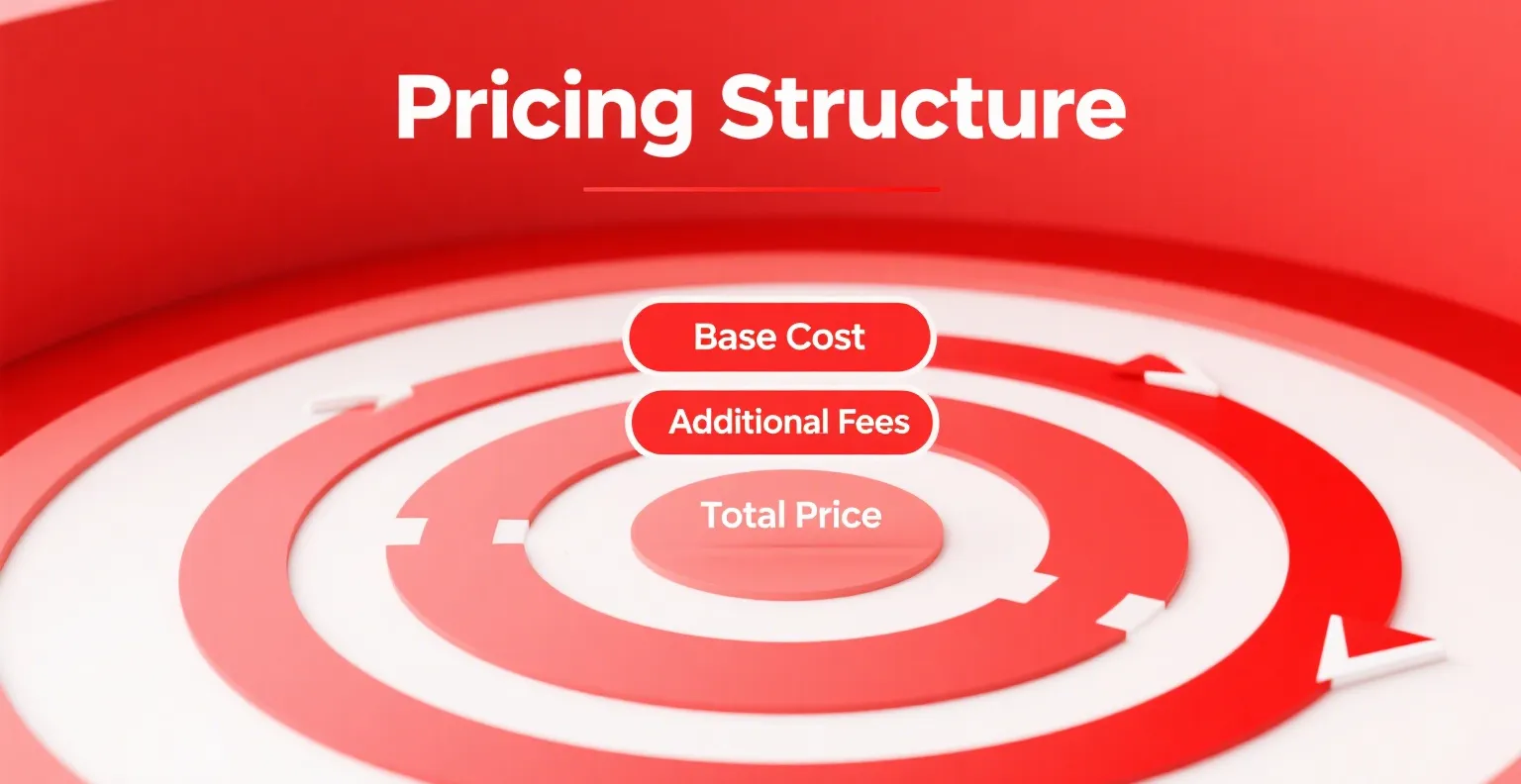
Wholesale vs Traditional Dropshipping: Pricing Structure Illustration
  • Higher retail prices reduce profit margins.
  • Frequent price fluctuations complicate pricing consistency on your dropshipping website.
  • Less room for negotiation with suppliers.
  • Real-time stock updates via dropshipping apps enhance inventory control.
  • Manages larger inventories, beneficial for high ticket dropshipping.
  • Reduces overselling risk on your dropship store.
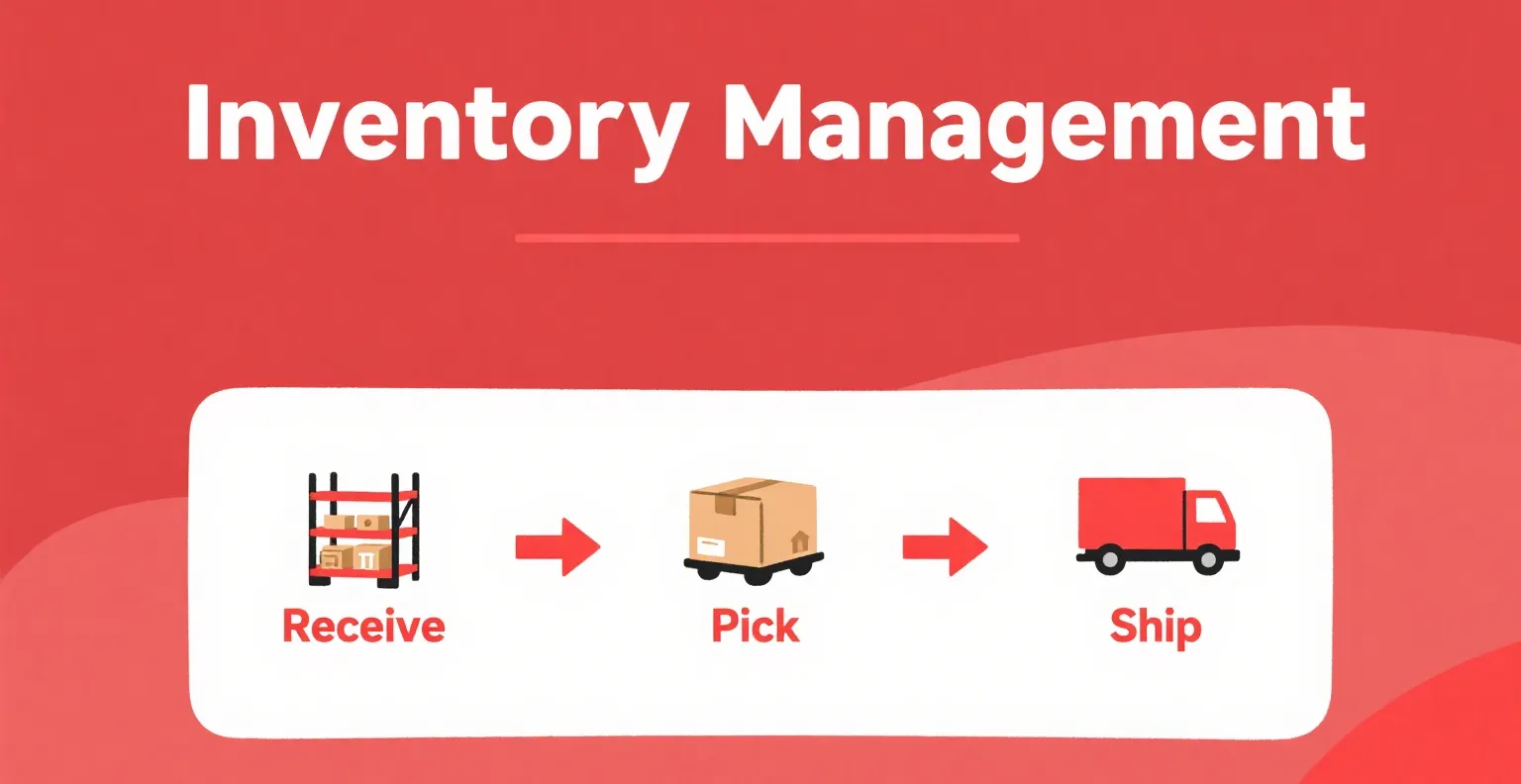
Wholesale vs Traditional Dropshipping: Inventory Management Illustration
  • Limited inventory visibility can lead to out-of-stock issues.
  • Relies on suppliers for updates, increasing discrepancies.
  • Often results in longer fulfillment times.
  • Faster shipping due to prioritized orders from suppliers.
  • More shipping options improve customer satisfaction on your dropshipping site.
  • Potential bulk shipping discounts lower overall costs.
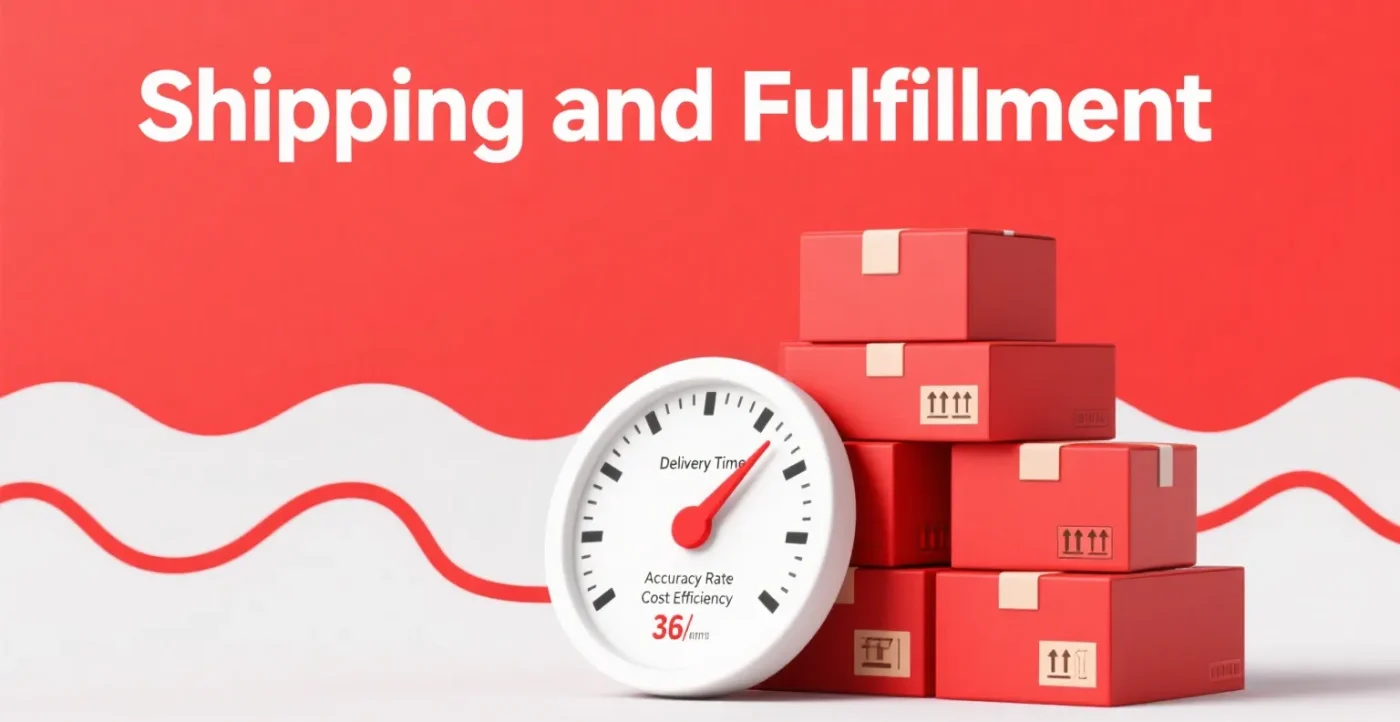
Wholesale vs Traditional Dropshipping: Shipping and Fulfillment Illustration
  • Longer shipping times from multiple suppliers, often overseas.
  • Higher shipping costs due to limited options.
  • Inconsistent fulfillment affects customer experience.
  • Access to high-quality products directly from manufacturers.
  • Ability to offer exclusive products enhances the dropshipping shop’s appeal.
  • Greater control over product quality through vetted suppliers.
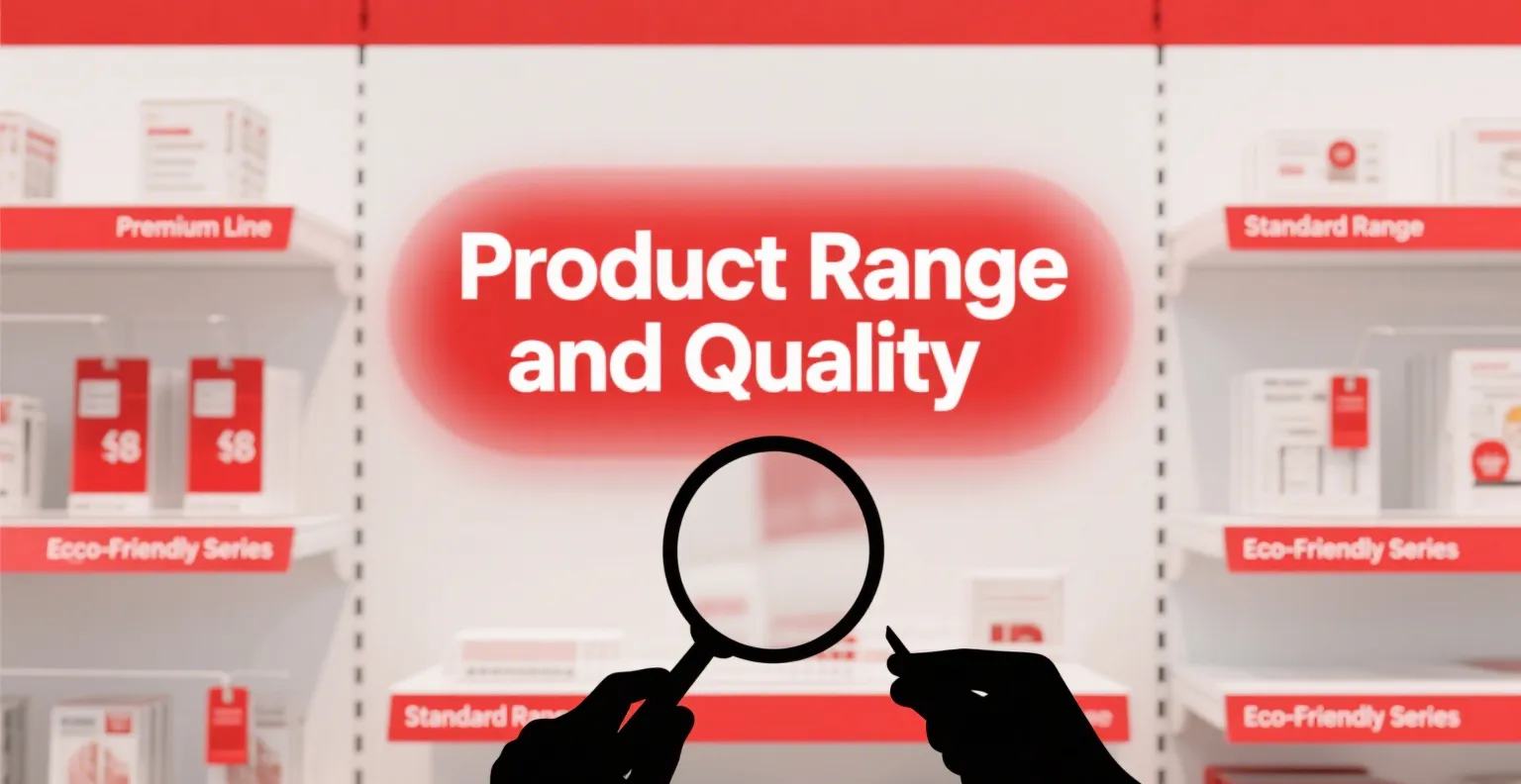
Wholesale vs Traditional Dropshipping: Product Range and Quality Illustration
  • Limited to lower-quality products from third-party suppliers.
  • Challenges in differentiation lead to a saturated market.
  • Quality control issues due to reliance on suppliers.
  • Private label dropshipping allows for unique branding.
  • Builds long-term customer relationships through consistent quality.
  • Effective branding strategies enhance marketing on your dropshipping website.
Wholesale vs Traditional Dropshipping: Marketing and Branding Opportunities Illustration
  • Limited branding opportunities due to generic products.
  • Price competition over brand loyalty affects retention.
  • Difficulties in creating a cohesive brand experience.

How Wholesale Dropshipping Works with Upedge

Wholesale dropshipping simplifies e-commerce by allowing retailers to sell products without holding inventory. In this model, dropshipping companies supply products directly to customers on behalf of the retailer. With platforms like Shopify, starting a dropshipping business is easy. Utilize dropshipping apps to streamline operations and enhance your online store’s efficiency.

1. Share Your Product Requirements

  • Tell us what products you want to sell, your target market, and your expected order volume. Share any requirements for product specifications, packaging, or delivery so our team can understand your sourcing needs.
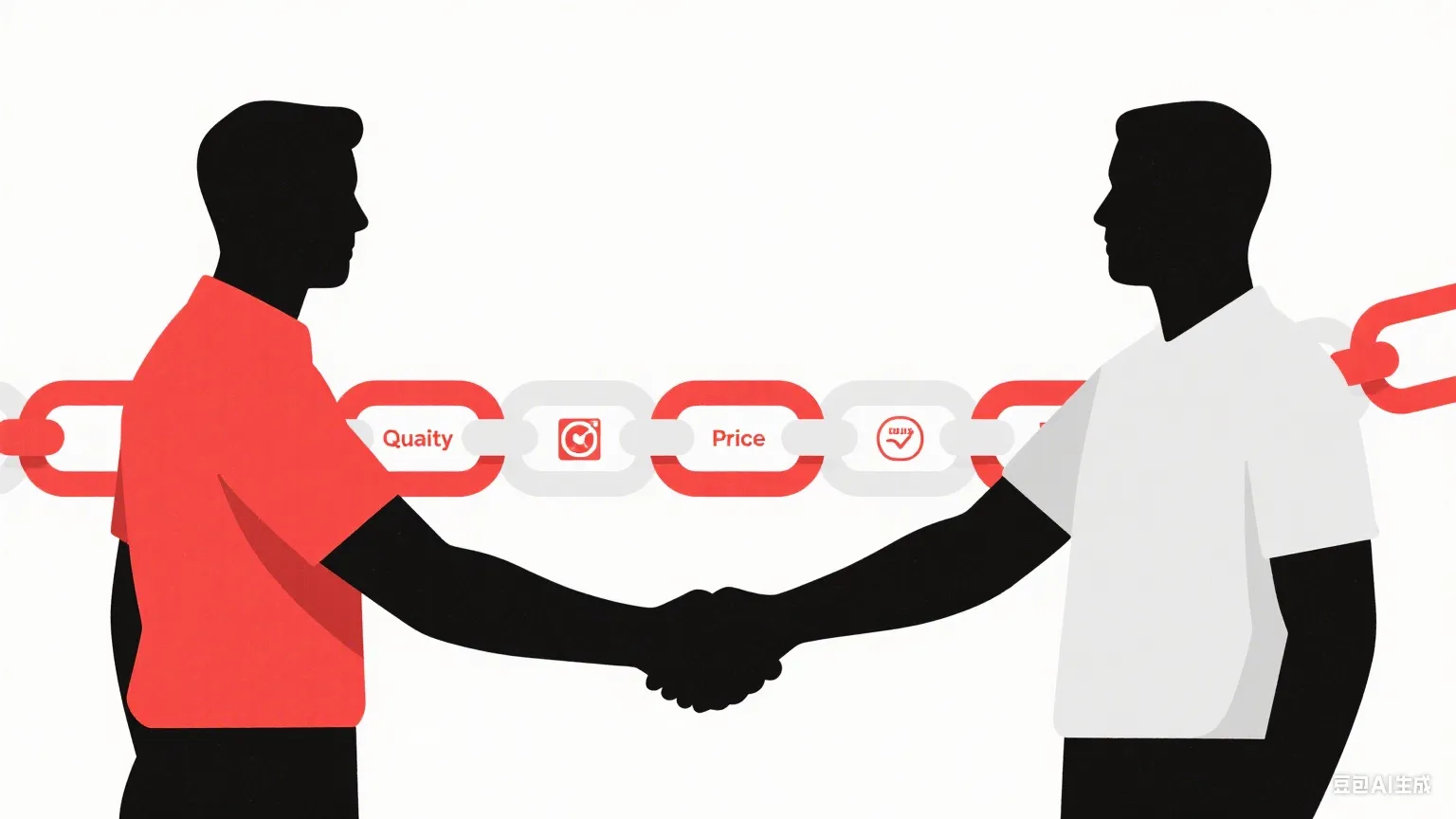
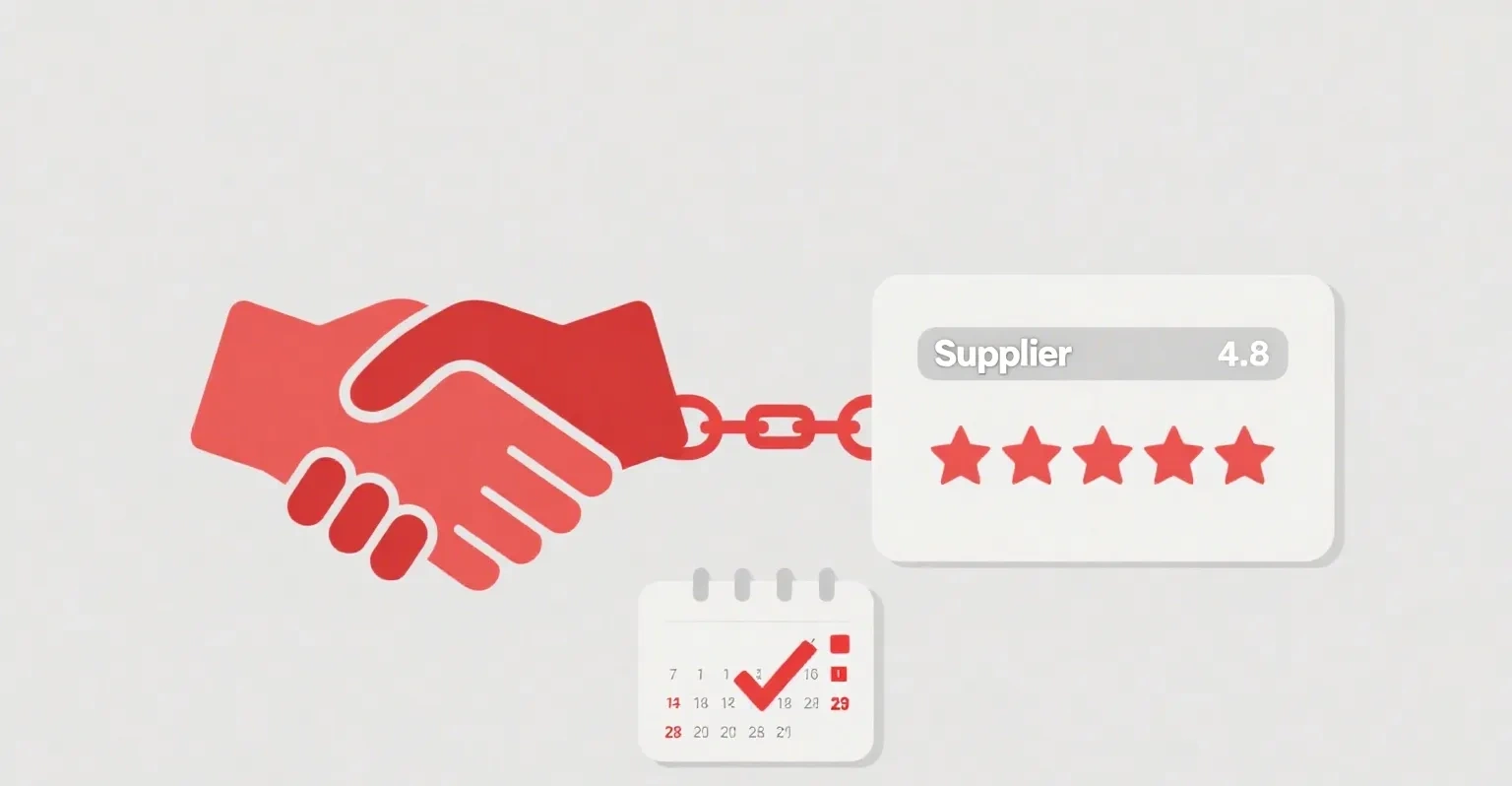
Wholesale dropshipping: finding reliable suppliers with quality, price, and trust

2. Compare Sourcing Options

  • Upedge helps you review suitable products and suppliers through our product sourcing service. Depending on your products and business needs, you can discuss per-order sourcing or purchasing inventory in advance for storage and fulfillment.
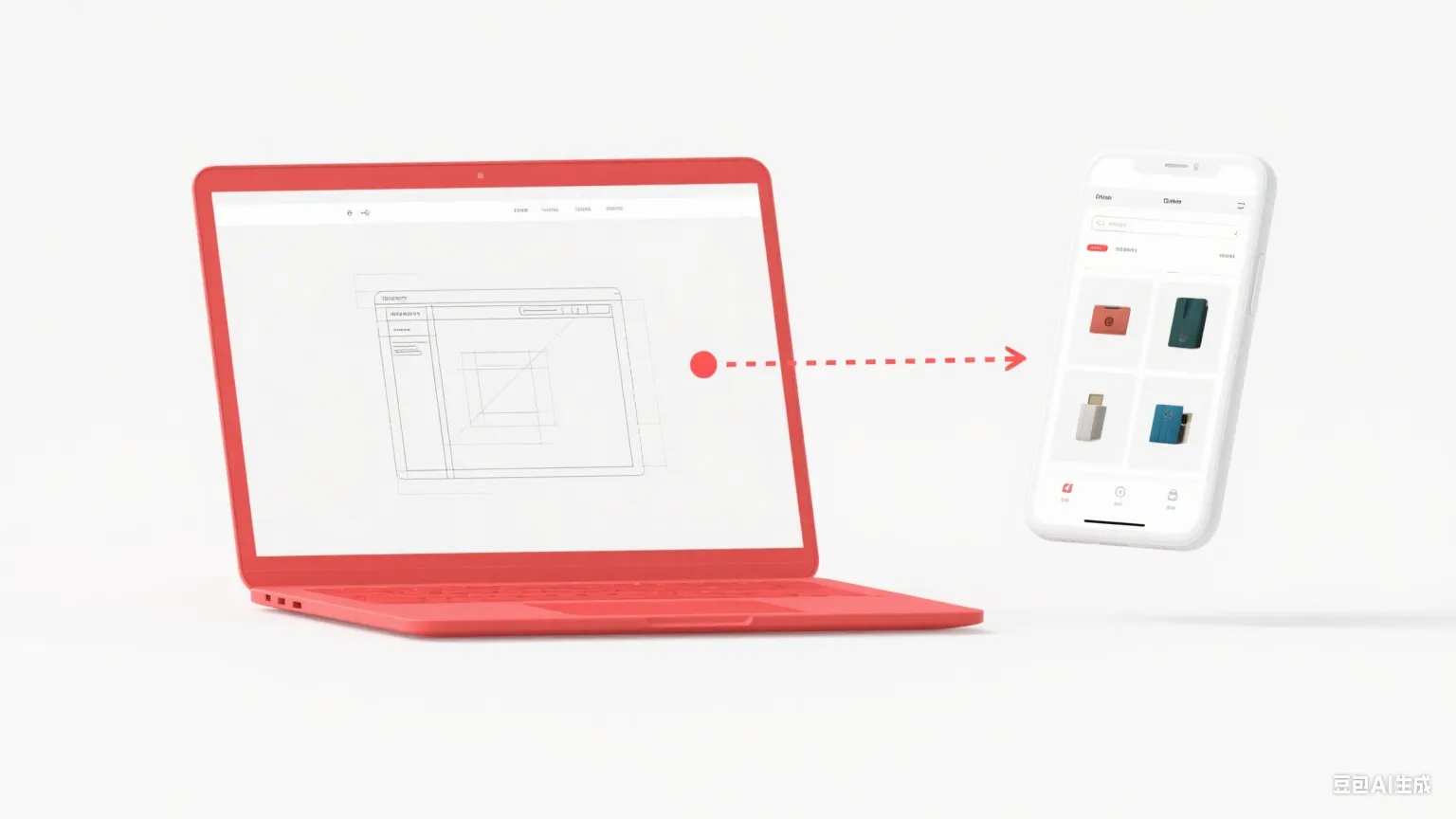
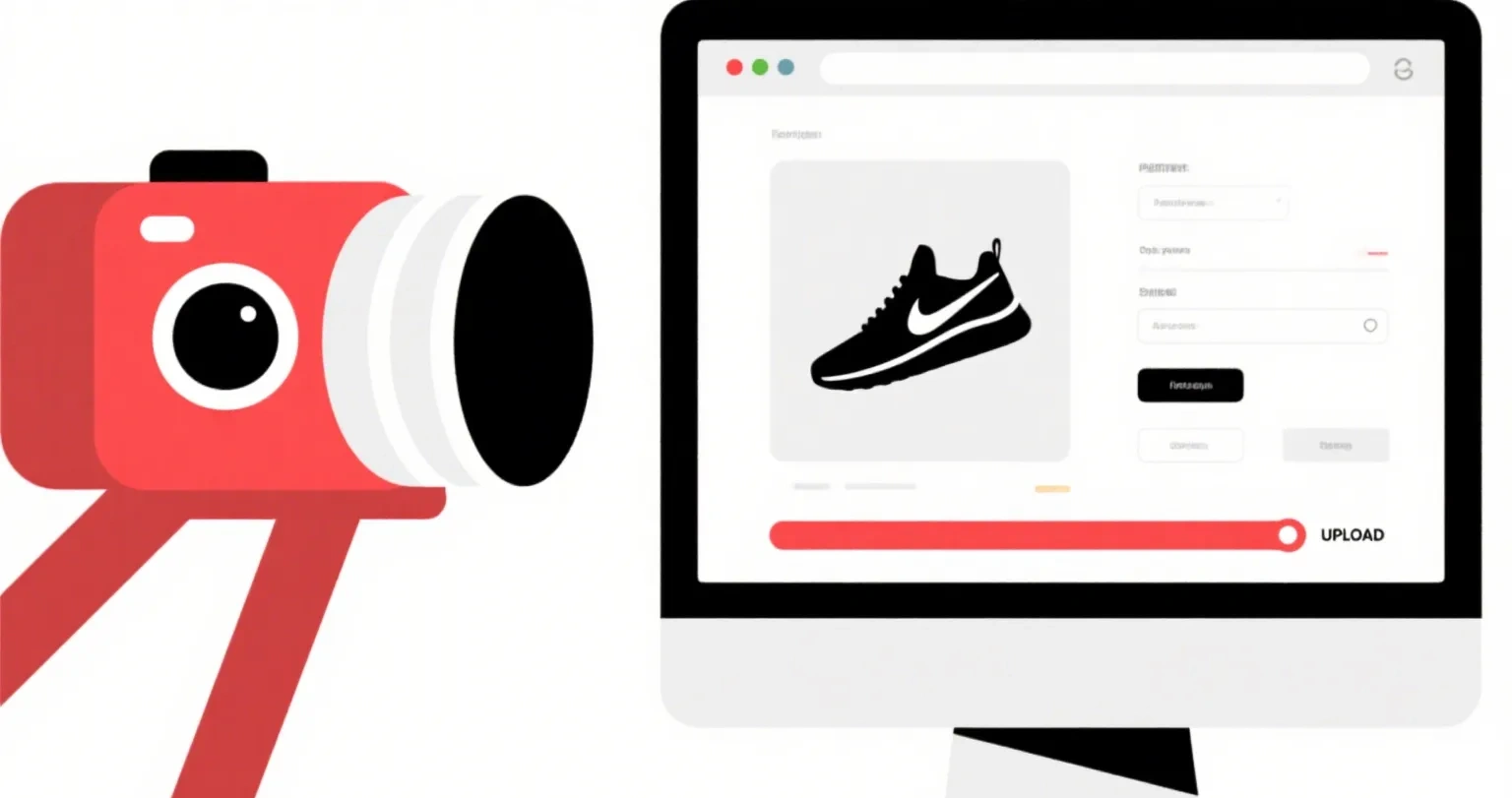
Wholesale dropshipping: setting up a responsive dropshipping website for multi-device access

3. Review Pricing and Order Terms

  • Receive a quotation based on your product requirements and selected sourcing arrangement. Our team will confirm product pricing, any applicable minimum order quantities, payment terms, and relevant storage or fulfillment costs before you proceed.
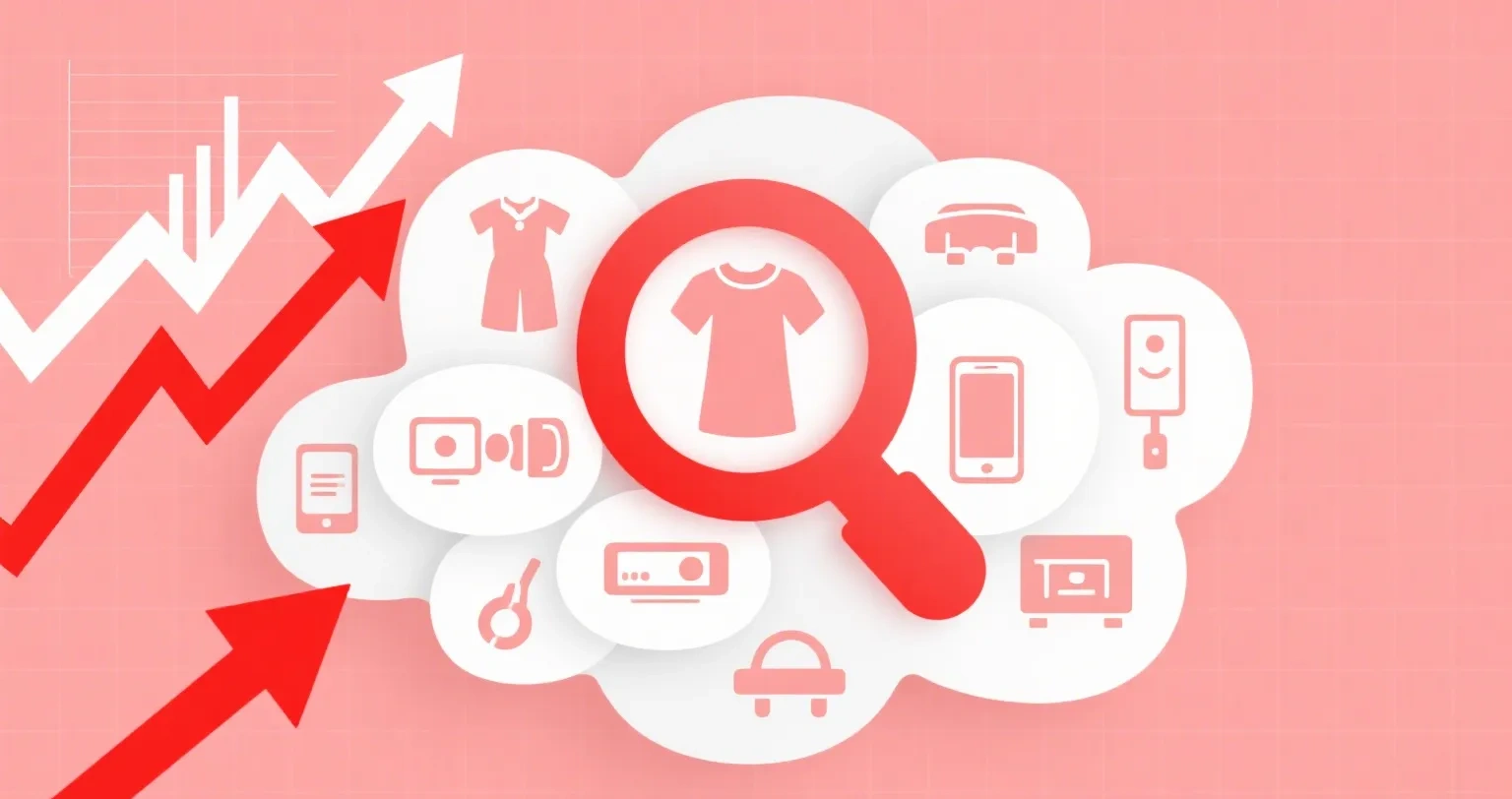
Selecting Products to Sell

4. Arrange Sourcing and Inventory

  • Once you confirm the quotation, we coordinate product sourcing according to the agreed plan. If you choose to purchase inventory in advance, we can discuss suitable storage arrangements and product checks before orders are fulfilled.
Listing Products on Your Dropshipping Site

5. Process and Fulfill Orders

  • Upedge coordinates order processing, packing, shipping, and tracking based on your sourcing and fulfillment arrangement. For ongoing Shopify order handling, explore our Shopify fulfillment service to learn more about the fulfillment process.
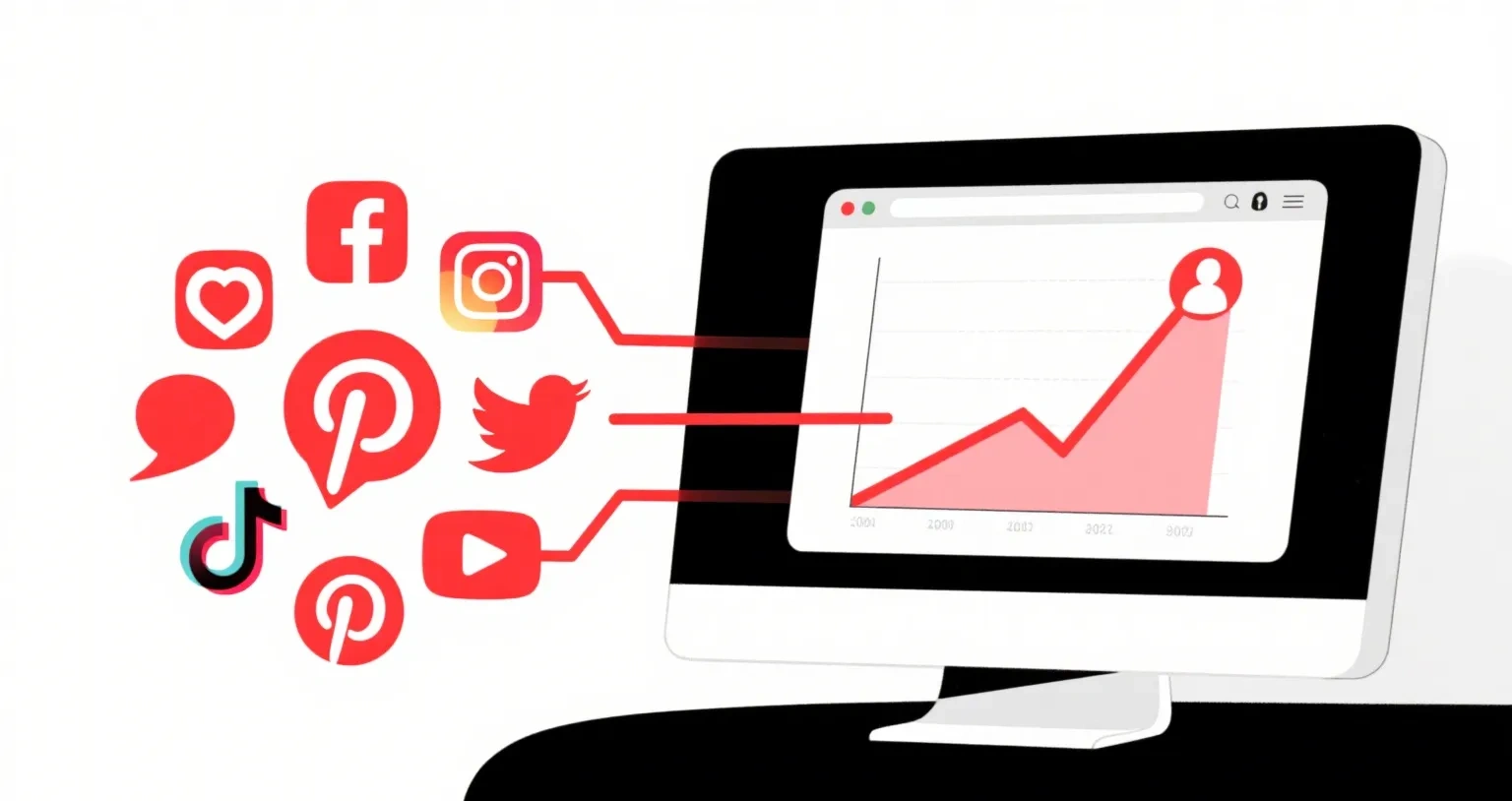
Marketing Your Dropshipping Store

Challenges of wholesale dropshipping

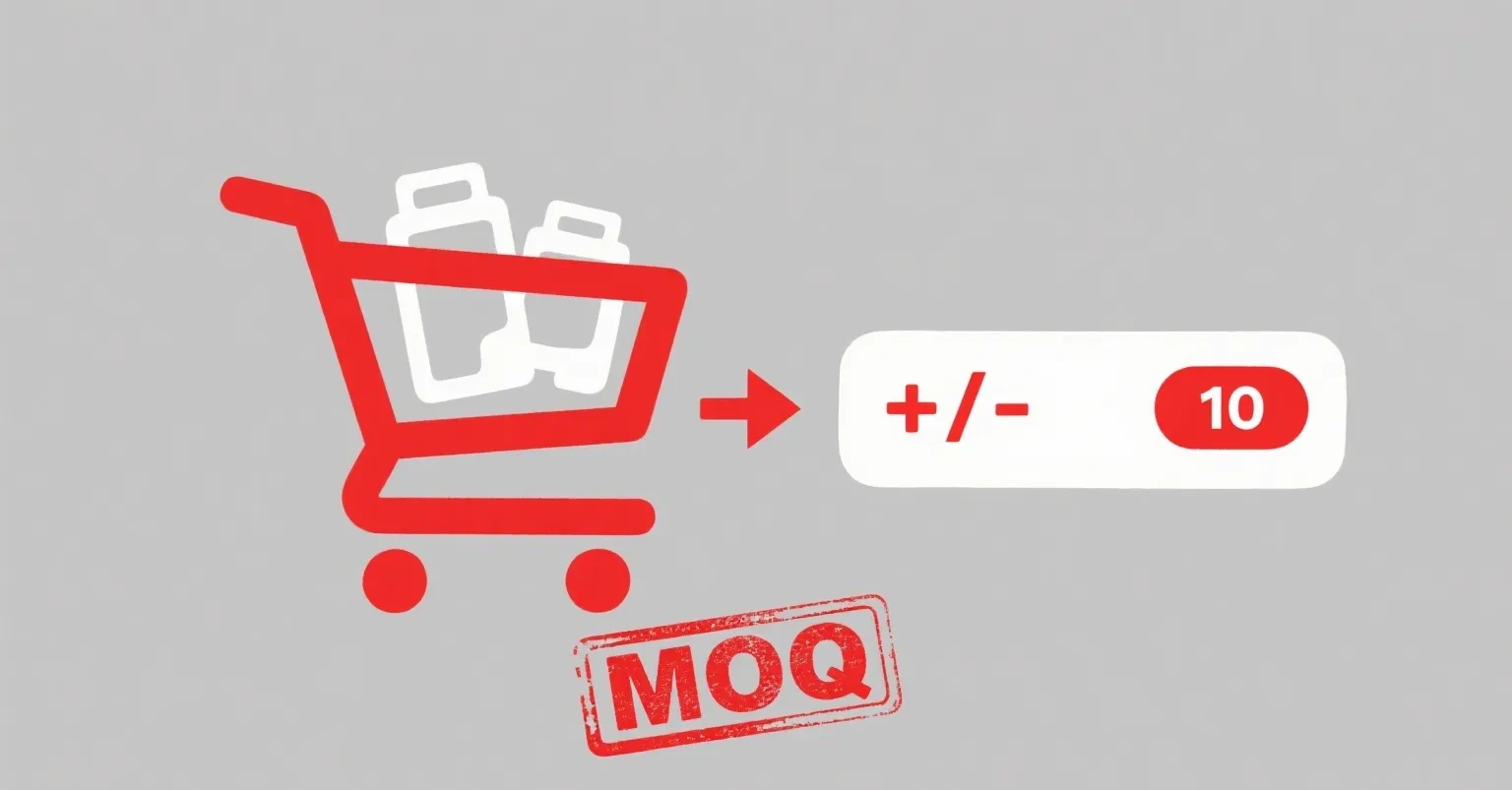
Minimum Order Quantities 

Many wholesale suppliers require minimum order quantities, which can be a barrier for new dropshippers or those with limited cash flow.

Supplier Reliability

Finding a dependable supplier is vital, as unreliable ones can cause stock shortages, delays, and poor quality, harming your reputation.

Shipping Times and Costs

Long shipping times can frustrate customers seeking instant gratification, while high shipping costs can significantly reduce your profit margins.

Customer Service Issues

As a dropshipper, you may not have direct control over product quality or shipping, leading to potential customer service challenges.

Inventory Management

Managing inventory with multiple suppliers can be complex, leading to stockouts or overselling, which results in lost sales and frustrated customers.

Returns and Refunds

Handling returns can be complicated in a wholesale dropshipping model, especially if suppliers have strict return policies.

Solutions of wholesale Dropshipping

Wholesale dropshipping involves different sourcing and inventory arrangements. Upedge can help you review product options, supplier requirements, inventory storage, and order fulfillment based on your business needs. The available arrangement, MOQ, and payment conditions are confirmed during quotation.

Minimum Order Quantities

1. Minimum Order Quantities (MOQs)

Look for suppliers that offer flexible MOQs or consider using dropshipping platforms that connect you with suppliers willing to work with smaller orders. Additionally, explore private label dropshipping options, as some suppliers may have different policies for branded products.

Supplier Reliability

2. Supplier Reliability

Conduct thorough research on potential suppliers before partnering with them. Utilize dropshipping apps that offer supplier ratings and reviews. Building strong relationships with your dropship agent can also help ensure better communication and reliability.

Shipping Times and Costs

3. Shipping Times and Costs

Choose suppliers located closer to your target market to reduce shipping times. Consider offering multiple shipping options at checkout, including expedited shipping for an additional fee. Using dropship software can help you calculate shipping costs accurately and transparently.

Customer Service Issues

4. Customer Service Issues

Establish clear communication channels for customer support and set realistic expectations regarding shipping times and product quality. Use your dropshipping guide to create a comprehensive FAQ section on your dropshipping website, addressing common concerns proactively.

Inventory Management

5. Inventory Management

Implement effective inventory management practices by utilizing dropshipping services that provide real-time inventory updates. Integrate your dropshipping site with software that automates inventory tracking to minimize the risk of stock discrepancies.

Returns and Refunds

6. Returns and Refunds

Clearly outline your return policy on your dropship website and communicate it to customers at the time of purchase. Work with suppliers who offer flexible return options, and consider using a dropshipping agent to manage returns on your behalf.

faqs

Yes, you can dropship wholesale. Many dropshipping platforms allow you to source products directly from manufacturers, enabling you to create a successful dropshipping store. By utilizing dropshipping apps and effective dropshipping services, you can manage inventory efficiently and offer a diverse range of products, including high-ticket dropshipping items.

The highest-paid dropshipping typically involves high-ticket dropshipping, where products are sold at premium prices. Successful dropshipping stores leverage dropshipping apps and software dropshipping solutions to streamline operations. Focusing on niche markets and utilizing private label dropshipping can significantly boost profits in the competitive e-commerce dropshipping landscape.

Choosing between dropshipping and wholesale depends on your business goals. If you prefer low upfront costs and flexibility, consider starting a dropshipping store using dropshipping apps. For higher profit margins and control over inventory, wholesale dropshipping or private label dropshipping might be more suitable for your e-commerce dropshipping strategy.

Dropshipping can be used for both retail and wholesale purposes, depending on the supplier. In a dropshipping store, you can sell products directly to consumers (retail) or source items in bulk from suppliers (wholesale dropshipping). Many dropshipping platforms offer this flexibility, enabling you to select a suitable dropship business model for your dropshipping website.

The most profitable niches for a dropshipping store often include health and wellness, tech gadgets, and fashion. High-ticket dropshipping items can yield significant profits. To find the best products, focus on those with high demand, good profit margins, and low shipping costs, such as phone accessories, kitchen gadgets, and personalized items. Utilizing effective dropshipping apps and platforms can enhance the performance of your dropshipping website, making it easier to manage inventory and attract customers in competitive markets.

Not necessarily. Upedge supports both per-order sourcing and advance inventory purchasing arrangements. Availability, product-specific MOQs, pricing, and payment terms will be confirmed in your quotation.

Before starting a dropshipping business, it’s essential to have a budget of at least $500 to $2,000. This amount covers essential expenses like setting up your dropshipping website, purchasing dropshipping apps, and marketing your dropshipping store. If you plan on high-ticket dropshipping, you might need more for initial product listings. Additionally, consider the costs associated with using dropshipping platforms and any dropshipping services you may require. A well-planned budget is crucial for a successful e-commerce dropshipping venture.

To find reliable wholesale suppliers for your dropshipping store, you can start by researching reputable dropshipping platforms that connect you with suppliers. Utilize dropshipping apps that provide supplier ratings and reviews. Consider joining online forums or communities focused on e-commerce dropshipping to gather recommendations. Additionally, look into private label dropshipping options, as established brands often have reliable suppliers. Please always ask for samples to assess product quality before making a commitment. This approach will help ensure a successful dropship business with trustworthy partners.

Ready to Build a More Reliable Ecommerce Operation?