







shopify dropshipping

Shopify Dropshipping represents a modern e-commerce model that prioritizes agility over inventory. It begins with a merchant creating a dedicated online store on the Shopify platform. Instead of purchasing products upfront, the store owner partners with third-party suppliers. When a customer orders, the retailer buys the item from the supplier, who then ships it directly to the end customer. This streamlined process eliminates the need for warehousing, significant upfront capital, and complex logistics management. The core of a successful Shopify dropshipping business lies in strategic product research, building a trustworthy brand, and driving targeted traffic. While it offers a lower-risk entry into online retail, its profitability hinges on effective marketing and superior customer service. Ultimately, this approach allows entrepreneurs to focus on sales and marketing while the supplier handles fulfillment, making it a compelling gateway into the world of e-commerce.

advantages of shopify dropshipping

Shopify Dropshipping Guide

1. Choose Your Niche

  • Research Market Trends: Use tools like Google Trends and competitor analysis to identify popular niches.
  • Focus on Demand: Look for dropshipping products with consistent demand.
  • Consider Profit Margins: High ticket dropshipping or private label dropshipping can offer better returns.
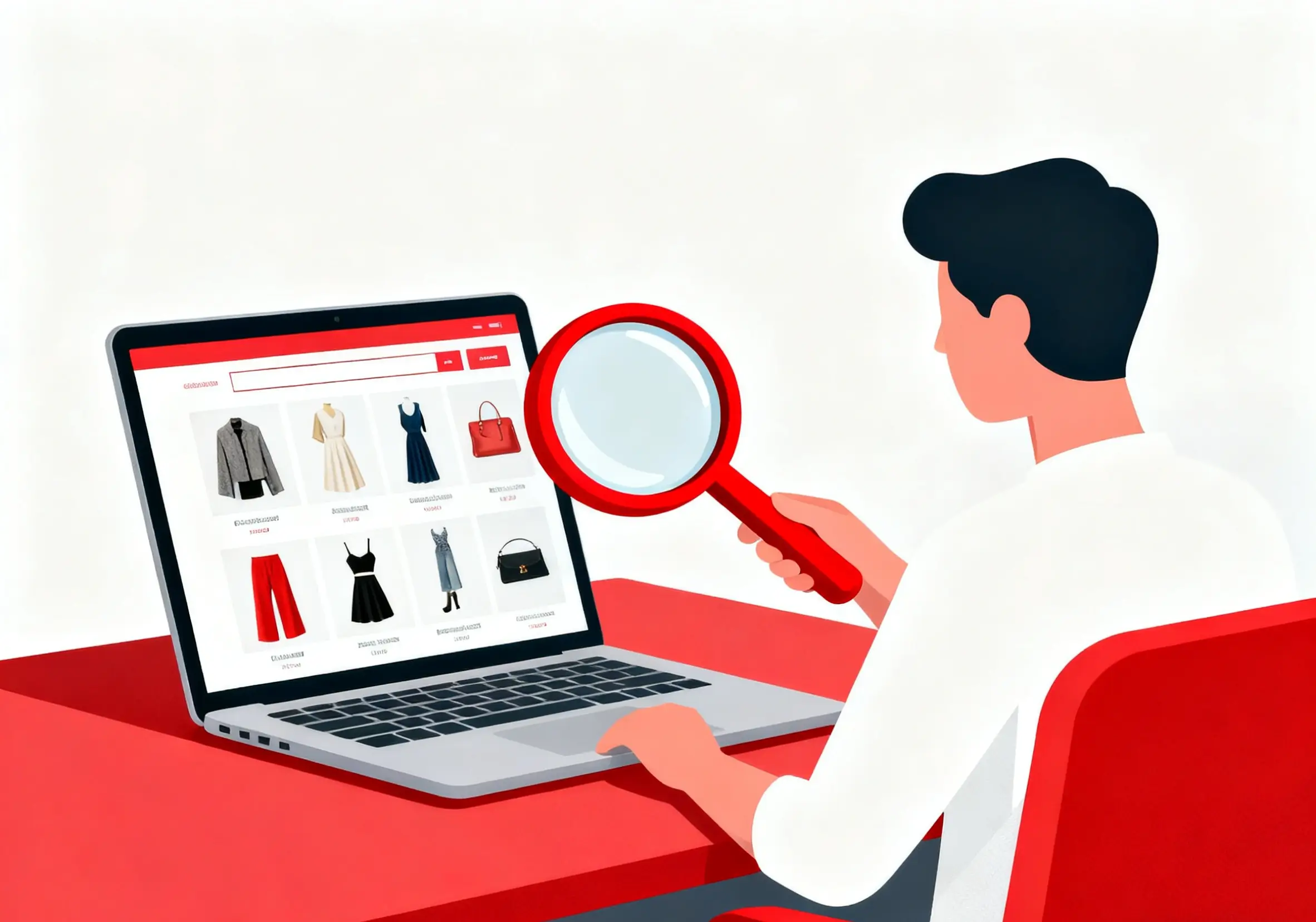
Shopify Dropshipping Niche Selection Guide

2. Set Up Your Shopify Store

  • Sign Up for Shopify: Choose a plan that suits your budget and needs.
  • Customize Your Store: Select a template, add branding elements like your logo, and optimize for user experience.
  • Install Dropshipping Apps: Use tools like Upedge to find products and automate order fulfillment.
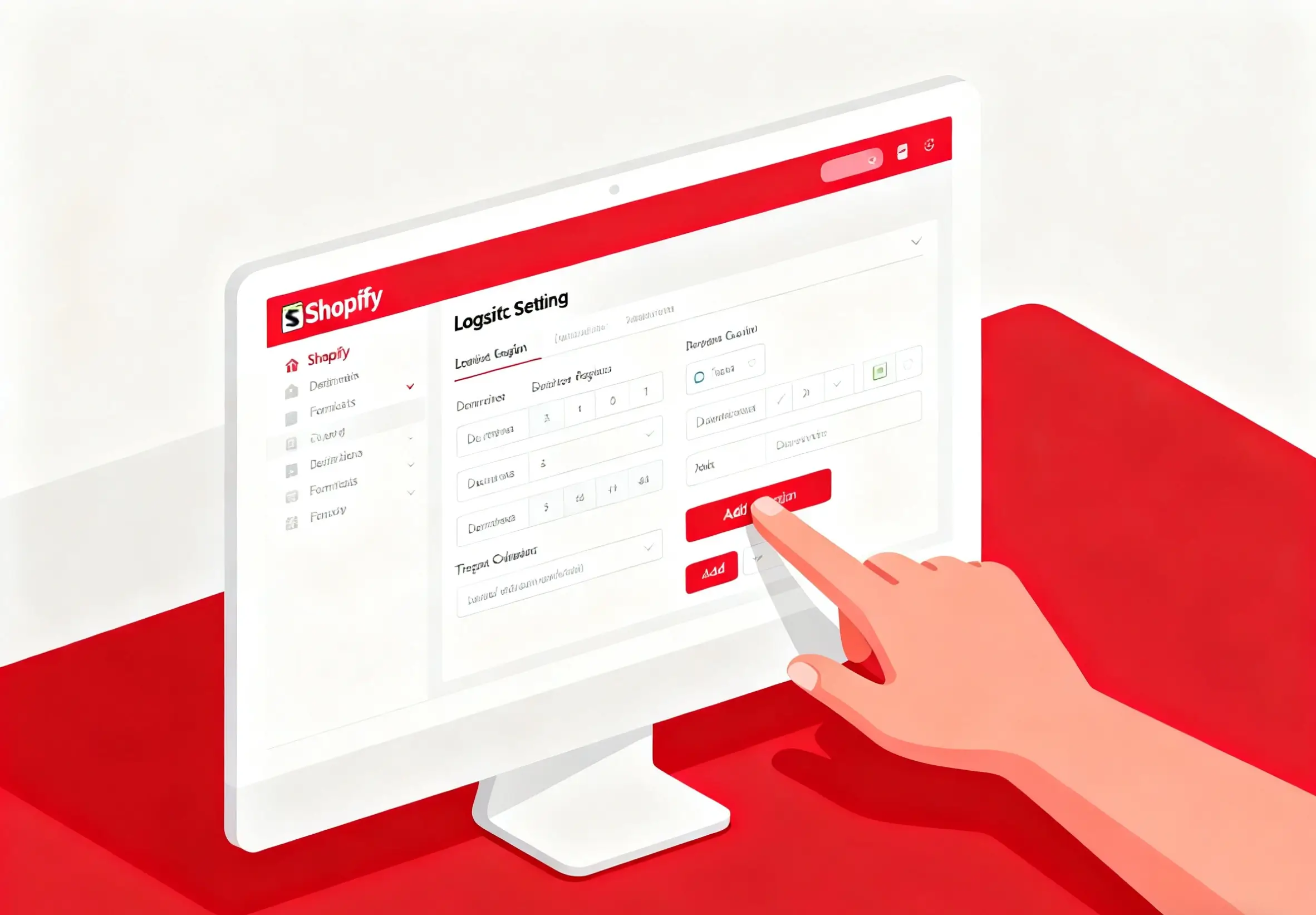
Shopify Dropshipping Store Setup Setting

3. Find Reliable Suppliers

  • Use Dropshipping Platforms: Websites like Upedge connect you with suppliers.
  • Evaluate Supplier Quality: Check reviews, shipping times, and product quality before committing.
  • Consider Wholesale Dropshipping: Bulk purchasing can lower costs and improve margins.
Shopify Dropshipping Find Reliable Suppliers

4. Add Products to Your Store

  • Choose Winning Products: Focus on items with high demand and good reviews.
  • Write Compelling Descriptions: Highlight benefits and features of each product.
  • Optimize Images: Use high-quality visuals to showcase your dropshipping products.
hopify Dropshipping Add Products to Store

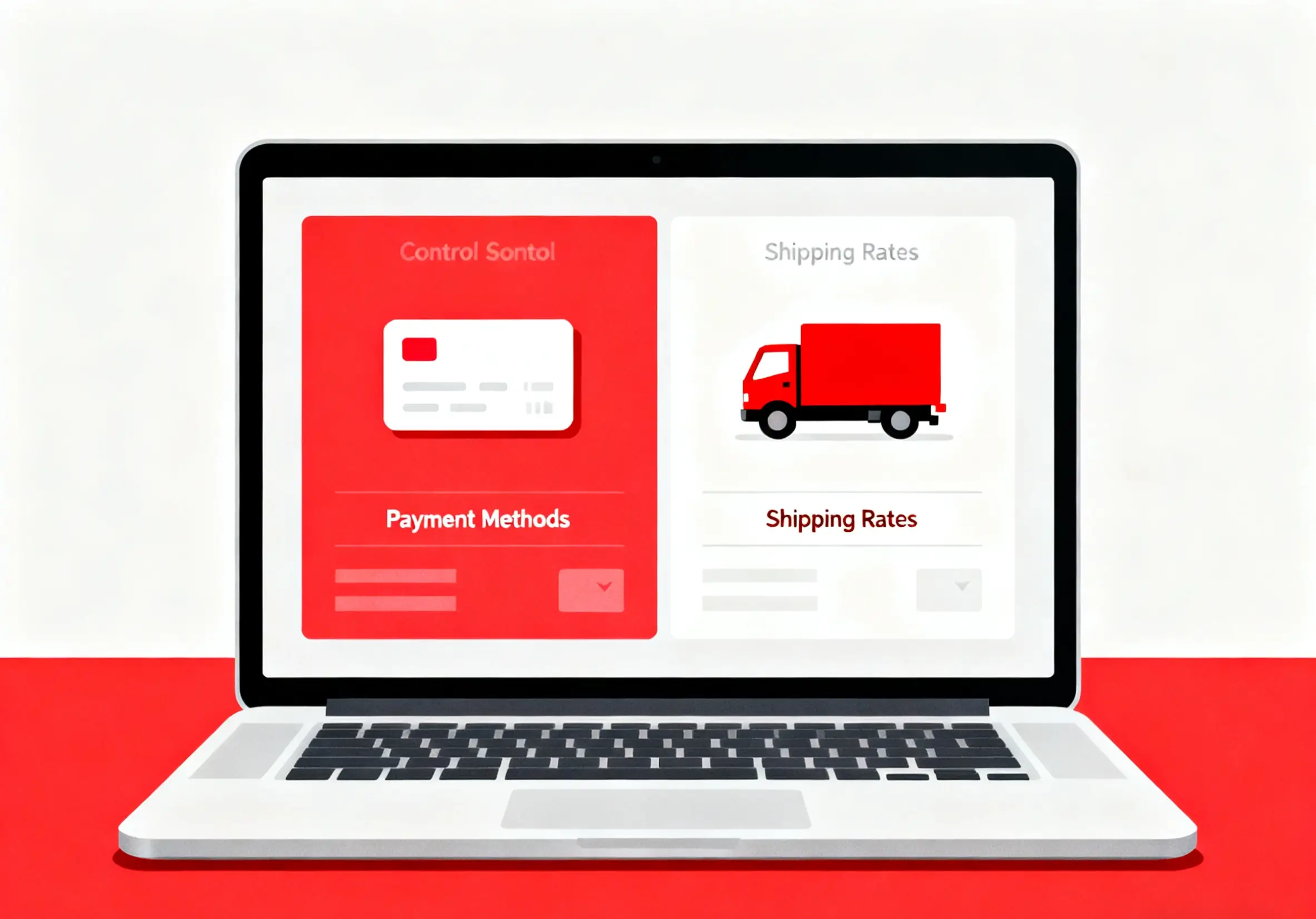
5. Set Up Payment and Shipping

  • Payment Gateways: Integrate Shopify Payments, PayPal, or other secure payment options.
  • Shipping Policies: Define clear shipping rates and delivery times.
  • Automate Fulfillment: Use supply dropship services to streamline shipping processes.
Shopify Dropshipping Set Up Payment and Shipping

6. Market Your Store

  • Social Media Ads: Use platforms like Facebook and Instagram to target your audience.
  • Search Engine Optimization (SEO): Optimize your dropshipping site for organic search traffic.
  • Email Marketing: Build an email list and send promotional offers to boost sales.
hopify Dropshipping Social Media Marketing for Store

7. Monitor and Improve

  • Track Performance: Use Shopify analytics to monitor sales and customer behavior.
  • Test Strategies: Experiment with new marketing techniques and product offerings.
  • Scale Your Business: Expand into new niches or markets as your store grows.
Shopify Dropshipping Monitor and Improve Analytics

Best product recommendation

 Start Your Dropshipping Business With Full Support!